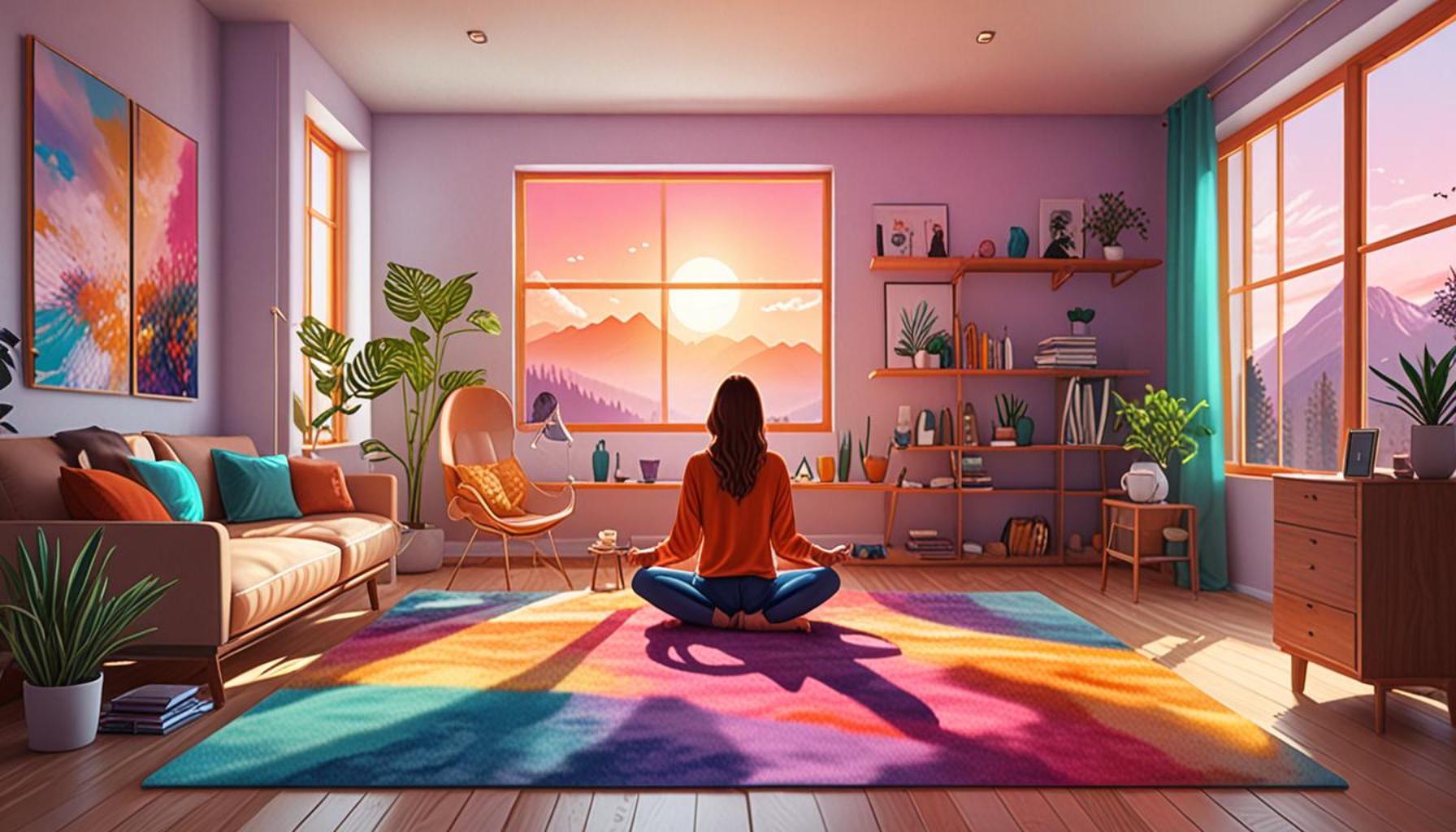
Minimalism and the practice of meditation: cultivating inner peace and self-care
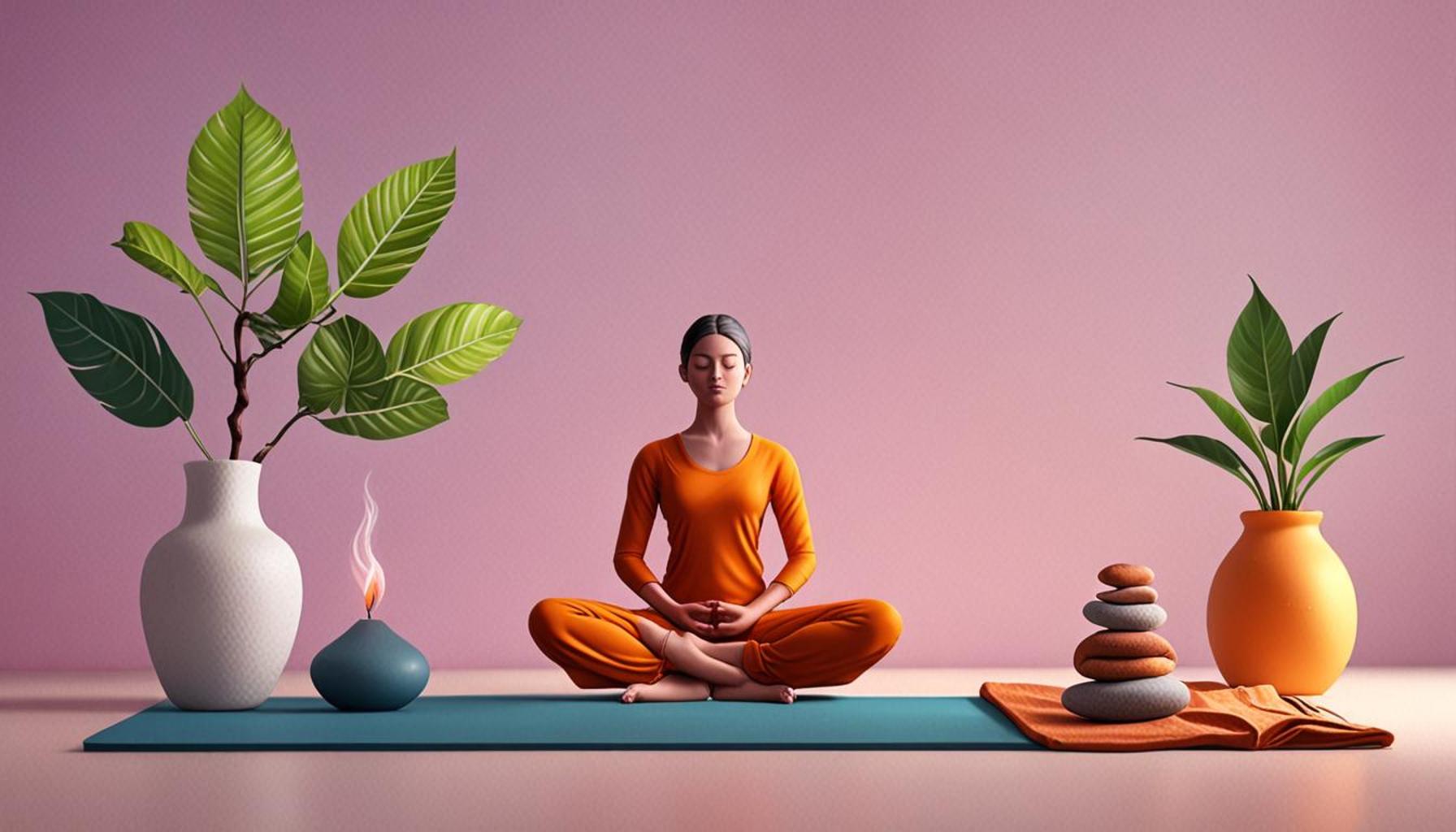
The Pursuit of Calm in a Chaotic World
In the whirlwind of modern life, where obligations and distractions abound, finding inner peace can seem like an uphill battle. People are increasingly drawn to practices such as minimalism and meditation as tools to navigate through the noise and discover a haven of tranquility. These methods don’t merely impart a sense of peace; they also foster essential self-care, reshaping how we experience ourselves and the world around us.
Why Minimalism and Meditation?
Engaging in minimalism and meditation can yield transformative effects on both emotional and psychological well-being. The benefits are noteworthy:
- Clarity: By decluttering our physical spaces, we can also declutter our minds, paving the way for clearer thoughts and decision-making.
- Focus: Through dedicated meditation practice, individuals can hone their concentration skills, learning to live in the present and reduce the overwhelming influence of distractions.
- Stress Reduction: Embracing simplicity in both physical and mental realms significantly diminishes anxiety, leading to healthier perspectives and emotional resilience.
Research supports these claims. A study conducted by the American Psychological Association revealed that individuals who meditate regularly reported enhanced levels of life satisfaction and reduced stress. In parallel, adopting a minimalist lifestyle can contribute to greater contentment by ensuring that one’s living environment reflects personal values rather than societal expectations. For instance, a family in San Francisco might choose to downsize from a large home to a cozy apartment, creating an atmosphere that emphasizes shared experiences over material possessions.
A Journey of Self-Discovery
Engaging with minimalism and meditation encourages us to question our existing priorities. Are our possessions sources of joy, or are they merely burdens that complicate our lives? Do the daily distractions we encounter impede our chances to find moments of peace?
Delving into the intersection of these practices can reveal a rich narrative on fostering well-being. By simplifying our external environments, we create space for introspection and mindfulness. This process lays the groundwork for a more balanced, intentional life. It directs us on a journey of self-discovery, where we can redefine what truly brings us joy and serenity. Over time, these reflections can lead to lasting changes not just in our lifestyles, but also in our perspectives toward ourselves and our interactions with others.
In these fast-changing times, embracing minimalism and meditation can illuminate pathways to inner tranquility. They remind us that simplicity can indeed coexist with a fulfilling life, steering us toward a brighter, calmer future.
DIVE DEEPER: Click here to uncover more about mindfulness and stress reduction</a
Embracing Simplicity and Mindfulness
At the core of both minimalism and meditation lies the aspiration for a more meaningful existence. These practices advocate for stripping away the superfluous—whether that be unnecessary possessions or distracting thoughts—in pursuit of authenticity. By intentionally simplifying our lives, we not only create an environment that fosters peace but also open ourselves to deeper connections with our inner selves. This harmonious relationship between minimalism and meditation can notably enhance our well-being.
Physical Space and Mental Clarity
The connection between our physical surroundings and mental state cannot be overstated. Research has shown that individuals who maintain organized, clutter-free environments experience reduced levels of stress and enhanced feelings of calm. In a study published in the Psychological Science journal, participants exposed to cluttered spaces reported feelings of anxiety and dissatisfaction, while those in more minimalist settings expressed greater psychological well-being. This evidence reinforces the idea that embracing minimalism can be a profound step towards achieving inner peace.
To truly reap the benefits of minimalism, consider the following steps:
- Assess Your Belongings: Take stock of what you own. Identify items that serve a purpose or bring you joy, and consider letting go of those that do not.
- Create Zones: Designate specific areas in your home for certain activities—work, relaxation, and creativity. This not only promotes organization but also instills a sense of purpose in your environment.
- Limit Digital Clutter: In a world dominated by screens, it’s essential to manage digital clutter. Unsubscribe from irrelevant emails, organize files, and allocate time to disconnect from devices.
The Synergy of Minimalism and Meditation
While minimalism focuses on creating an external landscape conducive to calm, meditation serves as a powerful tool for cultivating inner tranquility. Engaging in regular meditation practice encourages mindfulness—a state of active, open attention to the present moment. As distractions diminish, individuals can experience a profound sense of clarity and emotional balance. According to a report by the National Center for Complementary and Integrative Health, meditation has been shown to reduce symptoms of anxiety and depression, further solidifying its position as a crucial component of self-care.
Incorporating meditation into a minimalist lifestyle can manifest in various forms, such as:
- Mindful Breathing: Take a few moments to focus solely on your breath. This technique centers your thoughts and promotes relaxation.
- Guided Visualization: Envision a serene space—perhaps a tranquil beach or a peaceful forest. This practice can transport your mind away from daily stressors.
- Daily Reflection: Set aside time each evening to reflect on your day. Consider the moments that brought you joy and those that did not, encouraging self-awareness and growth.
By integrating the principles of minimalism with the practice of meditation, individuals can cultivate a lifestyle replete with self-care and inner peace. The journey may require dedication and patience, but the rewards—such as enhanced clarity, focus, and emotional well-being—are undoubtedly worth the effort. Thus, committing to these practices not only paves the way for personal transformation but also invites profound shifts in our daily interactions and experiences.
Exploring the Synergy Between Minimalism and Meditation
When we delve into the realms of minimalism and meditation, we uncover a profound synergy that extends beyond aesthetic simplicity. At its core, minimalism promotes a lifestyle that prioritizes intentionality and mindfulness. This parallels the practice of meditation, which encourages individuals to focus on the present moment, free from distractions. As one engages in daily meditation, the clutter—not only in physical spaces but also in our mental spaces—begins to dissipate, allowing for greater clarity and inner peace.
The essence of both practices revolves around self-care and nurturing one’s inner world. By embracing minimalism, practitioners develop a lifestyle that is less about consumption and more about experience. This fosters a sense of gratitude and appreciation for what truly matters. In turn, the practice of meditation deepens this sense of appreciation, enabling individuals to connect with their inner selves on a more profound level.
| Advantages of Minimalism | Advantages of Meditation |
|---|---|
| Encourages intentional living | Promotes mindfulness and focus |
| Reduces stress through decluttering | Facilitates emotional regulation |
Furthermore, the intersection of these two practices can lead to transformative benefits for one’s mental health. Individuals who adopt a minimalist lifestyle often report lower levels of anxiety and stress, aligning perfectly with the calming effects of meditation. This is not merely coincidental; rather, it underscores the significance of cultivating inner peace through conscious choices in our environments and daily habits. By integrating minimalism with meditation, you can unlock a more profound level of well-being and self-awareness.
As we explore these connections further, it becomes evident that the journey towards self-care through minimalism and meditation is not just a trend; it is a necessary evolution in our quest for balance and fulfillment in a complex world.
DISCOVER MORE: Click here to unlock a new perspective
Nurturing Emotional Wellness Through Minimalism and Meditation
As our lives become increasingly complex, the importance of nurturing emotional wellness through minimalist practices and meditation cannot be overstated. A study by the American Psychological Association found that individuals engaged in mindfulness meditation have improved emotional regulation and resilience against stress. This promotes overall mental health, making it essential to explore how minimalism complements meditation in fostering emotional stability.
The Role of Intentionality
In both minimalism and meditation, intentionality plays a crucial role. Living intentionally means making deliberate choices that align with our values, ultimately reducing mental clutter and enhancing our sense of purpose. Minimalism encourages individuals to evaluate what truly matters in their lives. As we begin to shift our focus from material accumulation to meaningful experiences, we create a fertile ground for emotional growth.
When paired with meditation, this practice takes on new dimensions. For example, when you meditate with clear intentions—such as fostering gratitude or compassion—you create an emotional landscape that promotes self-acceptance and well-being. Research from Stanford University indicates that practicing gratitude can improve mental health by reducing feelings of anxiety and depression, which underscores the synergy of these two powerful practices.
Creating Routines for Self-Care
Establishing routines centered on minimalism and meditation enhances self-care. Routines offer structure and predictability, reducing chaos in an often unpredictable world. Here are ways to cultivate self-care through intentional routines:
- Morning Rituals: Begin your day with a simple meditation practice that may include mindful breathing or setting daily intentions, setting a positive tone for the hours ahead.
- Minimalist Meal Preparation: Simplify your diet by focusing on whole foods and preparing meals in advance. This not only nourishes your body but also frees up time to engage in mindfulness practices.
- Evening Unwind: Dedicate your evenings to a calming routine—like light reading or gentle yoga—creating a seamless transition into rest and reflection.
Incorporating minimalist principles in self-care routines can also include the practice of saying “no” to social obligations and external pressures that detract from our emotional health. This assertion fosters autonomy, allowing individuals to prioritize their well-being. By consciously selecting what we allow into our lives, we make space for emotional clarity and inner peace.
The Transformative Power of Community
While minimalism often emphasizes individual experience, it’s essential to recognize the impact of community in this journey. Engaging with like-minded individuals—such as those in minimalism or meditation groups—can provide crucial support and motivation. Studies from the Journal of Happiness Studies indicate that social support can protect against mental health challenges and enhance feelings of well-being.
Participating in shared meditation sessions or minimalist workshops not only fosters relationships but also deepens our practice. Communal experiences can reinforce our commitment to self-care while offering fresh perspectives on minimalism and mindfulness. Organizations such as Isha Foundation and local meditation centers often host events that invite participants to explore these concepts collectively, instilling a sense of belonging and shared purpose.
In the pursuit of inner peace and sustainable self-care, the interplay between minimalism and meditation emerges as a vital roadmap. By embracing intentionality, creating structured routines, and seeking community, individuals can cultivate a fulfilling lifestyle that inherently addresses the complexities of modern life.
DISCOVER MORE: Click here to learn how to boost your self-confidence with minimalism
Embracing Minimalism and Meditation for Lasting Peace
In conclusion, the journey toward inner peace and robust self-care is beautifully illuminated by the practices of minimalism and meditation. These two powerful tools, when interwoven, encourage individuals to simplify their lives both mentally and physically, paving the way for emotional clarity and balance. As we consciously declutter our environments and minds, we create space for personal growth and deeper connections with ourselves and others.
Moreover, establishing intentional routines, whether through morning meditative practices or evening wind-down rituals, aids in nurturing our overall well-being. This structured approach not only combats the chaos typical of modern living but also enriches our experiences and fosters a profound sense of contentment.
Engaging with community also plays a significant role in this transformative journey. Connecting with others who share similar values enhances motivation and offers support, reinforcing our commitment to both minimalist living and mindful practices. By participating in group activities or workshops centered on these philosophies, individuals not only deepen their own practices but also enrich the collective experience.
As the world becomes ever more complex, the principles of minimalism and meditation stand as a beacon of hope, guiding us toward a more meaningful and peaceful existence. By making intentional choices and building nurturing environments, we can cultivate a lifestyle that prioritizes not just survival, but thriving. Let us embrace these practices and embark on our personal journeys toward lasting tranquility and well-being.