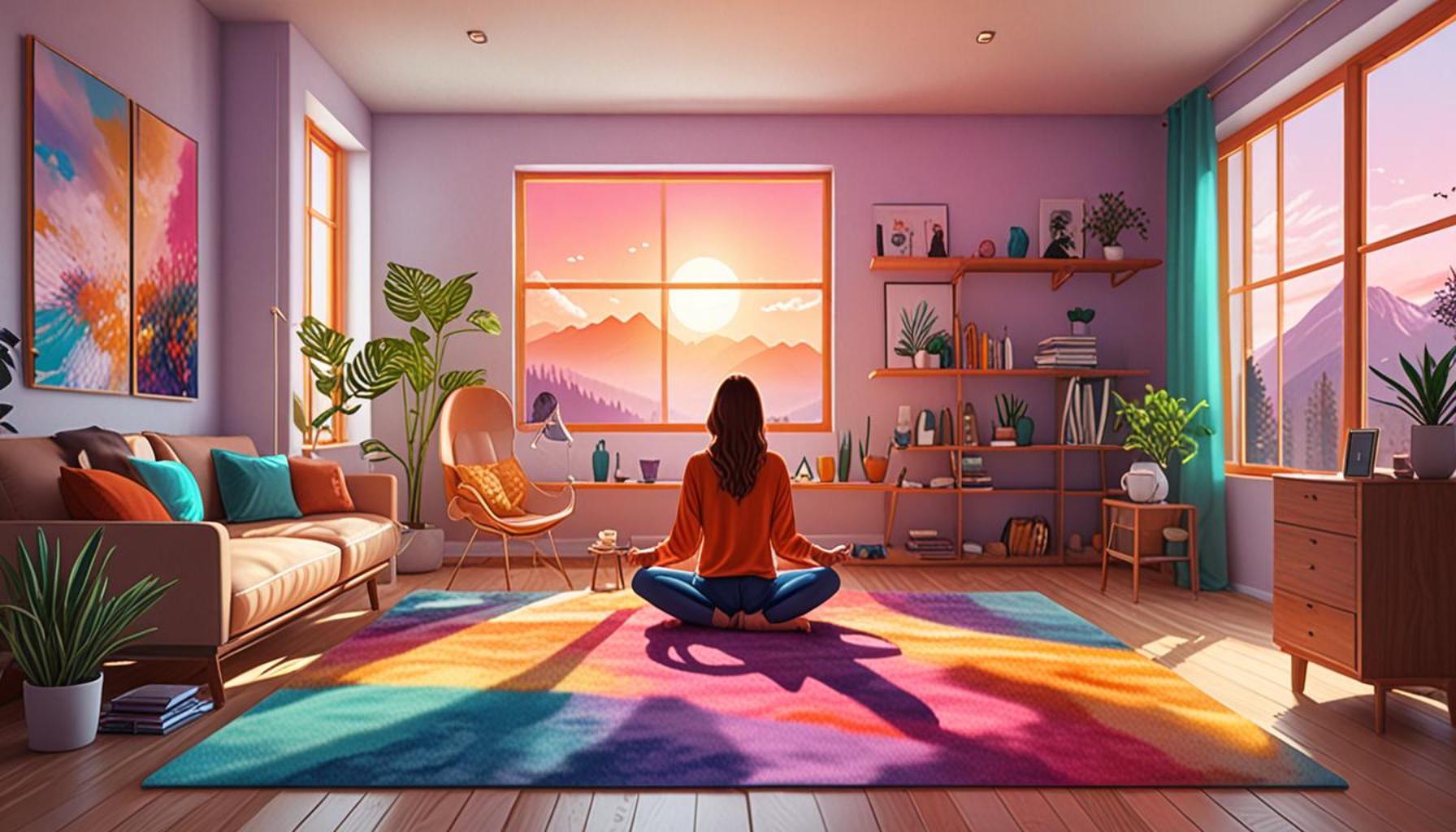
Minimalism and Self-Compassion: How Simplifying Your Life Can Strengthen Your Relationship with Yourself

Embracing the Power of Simplification
In a world overflowing with distractions, minimalism beckons as a sanctuary for many seeking serenity among the chaos. This philosophy encourages individuals to actively eliminate excess—not just in material possessions but also in commitments and mental clutter—which leads to a deeper understanding and connection with oneself. But at the core of this minimalist movement lies a powerful concept that is often overlooked: it is fundamentally about cultivating self-compassion.
Imagine a life where you:
- Focus on what truly matters.
- Find joy in simplicity.
- Enhance your mental well-being.
By shedding the weight of unnecessary physical possessions, emotional baggage, and overwhelming commitments, you create valuable space. This space is not merely empty; it becomes a fertile ground for reflection, gratitude, and the nurturing of your inner self. The synergy between minimalism and self-compassion transcends just aesthetics; it reshapes our attitudes towards ourselves and how we interact with the world around us.
Consider these compelling benefits of simplifying your life:
- Reduced stress and anxiety: Studies have shown that a cluttered environment can lead to increased levels of cortisol, the stress hormone. By decluttering, many find immediate relief, allowing for clearer thinking and improved focus.
- Increased awareness and presence: Living minimally encourages mindfulness, the practice of being fully present. When your surroundings are serene and uncomplicated, you can devote more attention to the moment at hand.
- Enhanced self-acceptance and love: As you start to let go of external validations often tied to possessions, you begin fostering a deeper appreciation for yourself and your intrinsic worth.
As you embark on this heartening journey of simplification, you will discover that each step taken toward minimalism is not just a physical act but a profound move towards self-kindness. This transformative journey invites you to ask difficult questions: What brings you true joy? What are the feelings you wish to cultivate in your environment? How can simplifying your surroundings improve your emotional health?
To illustrate, consider individuals like Joshua Becker and The Minimalists, who advocate for minimalism through personal anecdotes and practical tips. Their stories exemplify how embracing simplicity has led to fulfilling lives marked by intentional living rather than perpetual busyness. Engaging with these narratives can inspire you to reflect on your own lifestyle choices.
Join us as we delve into the myriad ways that the intentional act of simplifying can enrich your relationship with yourself, ultimately steering you toward a more meaningful existence enriched by clarity, purpose, and self-compassion. Whether through decluttering your space, limiting your obligations, or simply taking a moment each day to breathe, there are endless opportunities to embrace the transformative power of simplification.
DISCOVER MORE: Click here for insights on mindfulness and stress reduction</p
Finding Freedom in Less: A Journey to Self-Compassion
In the hustle and bustle of modern life, the pursuit of more—more possessions, more commitments, more distractions—often leads to a feeling of overwhelm that weighs heavily on our mental health. Minimalism, with its core philosophy of “less is more,” offers a counterbalance to this frenetic lifestyle. By intentionally removing the unnecessary from our surroundings and lives, we unveil a path toward deeper self-compassion and understanding.
At its essence, minimalism is an invitation to reclaim control over our lives, allowing us to prioritize what truly contributes to our happiness and well-being. This philosophy extends beyond merely decluttering our homes; it encompasses decluttering our minds and emotional landscapes, creating a holistic approach to well-being. Engaging with minimalism might involve the following:
- Evaluating possessions: Take stock of the items in your home and reflect on their necessity. Holding onto objects that no longer serve a purpose can hinder your mental clarity.
- Streamlining commitments: Assess your obligations and consider saying no to activities that add stress without meaning. Remember, your time is as precious as your belongings.
- Practicing mindful consumption: Conscious spending and intentional purchases shift the focus from accumulation to appreciation. Opt for quality rather than quantity to enhance long-term satisfaction.
As you begin decluttering both physically and mentally, a sense of liberation can take root, leading to significant psychological benefits. Research illustrates that decluttering can significantly reduce feelings of anxiety and discomfort, fostering a peaceful environment that encourages reflection and personal growth. By creating a calm space, you can better understand your own needs and cultivate a positive relationship with yourself.
Moreover, as you simplify your surroundings, you begin to challenge societal norms that equate self-worth with material success. This shift empowers you to appreciate your inherent value, regardless of your possessions or achievements. Minimalism invites you to focus inward, fostering self-acceptance that stems from a place of authenticity rather than societal expectations.
Consider adopting practices that reinforce this newfound clarity. Daily routines such as meditation or journaling can enhance self-awareness, prompting questions such as: What do I truly enjoy? What fears or doubts hold me back? How can I nurture my relationship with myself? These reflective practices align seamlessly with the minimalist mindset, encouraging a journey towards self-kindness rooted in understanding and acceptance.
By embracing minimalism, you position yourself to cultivate a richer, more fulfilling relationship with yourself, free from the noise of external validation. This empowering journey creates a feedback loop where the more you invest in self-compassion and simplicity, the more you receive in return: peace of mind, clarity, and a deeper sense of purpose. Gear up to explore how adopting minimalism can lay the groundwork for a lifelong love affair with yourself, leading you down a path filled with intention and authenticity.
| Advantages of Minimalism | Impact on Self-Compassion |
|---|---|
| Reduced Stress | Encourages a kinder internal dialogue. |
| Enhanced Focus | Fosters a compassionate understanding of personal needs. |
| Increased Clarity | Promotes self-acceptance and appreciation. |
| Financial Freedom | Facilitates more time for self-care. |
Embracing minimalism offers profound advantages that extend beyond mere physical decluttering. First and foremost, the practice significantly contributes to reduced stress levels; by simplifying your environment, you create a space that fosters a healthier mental state. To support this, research indicates that a clear space often leads to a clear mind, allowing for improved focus on personal growth.Furthermore, minimalism enhances clarity in your life, guiding you to prioritize what truly matters. This clarity translates into a deeper understanding of yourself and your needs, enabling a kinder and more compassionate internal dialogue. In turn, recognizing your flaws and strengths becomes effortless, nurturing an atmosphere of self-acceptance.Additionally, embracing minimalism can lead to financial freedom. With fewer physical and emotional burdens, you find time and resources to invest in self-care activities that reinforce your relationship with yourself. The cumulative impact of these advantages positions minimalism as a transformative tool in fostering self-compassion.
DISCOVER MORE: Click here for uplifting strategies
Embracing Mindfulness: The Art of Simplicity in Daily Life
As the minimalist journey unfolds, embracing mindfulness becomes essential to deepening self-compassion. Mindfulness encourages a focused awareness of the present moment, helping to silence the distractions that often cloud our judgment and lead to self-doubt. By practicing mindfulness, you not only honor your experiences but also create an environment for self-reflection and self-love.
One way to incorporate mindfulness into a minimalist lifestyle is through intentional living. This concept involves making deliberate choices about every aspect of your day, from what you eat to how you spend your free time. For example, rather than defaulting to the grab-and-go meals that characterize busy lifestyles, take time to prepare nourishing food. This not only connects you with your body’s needs but also fosters gratitude for the simple act of eating.
Consider adopting a daily mindfulness meditation practice. Just a few minutes each day can yield substantial benefits for mental clarity and emotional resilience. Research has shown that mindfulness meditation can reduce anxiety and increase feelings of well-being. This simple yet profound practice encourages you to observe your thoughts without judgment, promoting a deep sense of self-acceptance and understanding.
In addition to mindfulness meditation, another valuable practice is the art of gratitude. By routinely acknowledging the things you appreciate in your life, you shift your focus away from the lack of material wealth toward the abundance that already exists. Keeping a gratitude journal can provide clarity about what truly matters to you and enhance your emotional connection with yourself.
Emerging data from studies indicates that practicing gratitude is linked to lower levels of depression and anxiety. The key lies in its ability to train your mind to seek out positivity, even in challenging situations. By framing your thoughts through the lens of appreciation, you cultivate a resilient mindset that can weather life’s storms with grace.
Creating a Minimalist Environment for Enhanced Self-Compassion
Our environments play a significant role in shaping our emotions and mental processes. A cluttered physical space can lead to a cluttered mind, thus impeding our ability to practice self-compassion. Therefore, reimagining your surroundings can have profound effects on your inner dialogue. Creating a minimalist environment involves choosing to surround yourself only with items that inspire joy and reflect your true self, which augments the connection you have with your identity.
Decluttering your space allows for increased clarity and focus. An organized environment leads to reduced stress, making it easier to engage in self-compassionate activities. By investing in multifunctional furniture or implementing smart storage solutions, you can create open spaces that promote peace. Moreover, incorporating elements like soft lighting or calming colors can enhance the aura of your surroundings, fostering a sanctuary where you can retreat and nurture your sense of self.
As you engage in this transformative process, remember that minimalism is not merely about reducing physical items; it’s about fostering a lifestyle that prioritizes well-being. The decisions you make each day regarding how to spend your time, who to spend it with, and what values to uphold contribute to a more cohesive relationship with yourself. The conscious choices you make today will plant the seeds for a more significant capacity for self-compassion tomorrow.
In the pursuit of simplicity, both physically and mentally, you cultivate an inner landscape rich with understanding and acceptance. Embracing minimalism as a lifelong path allows for continual growth in self-compassion, creating a feedback loop of clarity, purpose, and authenticity that nourishes your spirit.
DIVE DEEPER: Click here for valuable insights
Conclusion: The Harmonious Dance of Minimalism and Self-Compassion
In a world saturated with distractions and expectations, the convergence of minimalism and self-compassion offers a refreshing pathway toward healing and self-discovery. By consciously choosing to simplify our physical surroundings and mental landscapes, we create a fortified foundation that nurtures our emotional well-being. This return to simplicity not only clarifies our priorities but also highlights our inherent worth, allowing us to foster a deeper relationship with ourselves.
As we explore the power of mindfulness and gratitude, we learn that embracing the present moment can empower us to appreciate the richness of our lives, independent of material possessions. The intentional decisions we make in our daily lives—from mindful eating to creating tranquil environments—serve as vital practices of self-love, reminding us to celebrate who we are beyond the clutter and chaos.
Moreover, studies reveal that cultivating a minimalist lifestyle can dramatically reduce anxiety and depression, showcasing its profound impact on mental health. By surrounding ourselves with only what sparks joy, we declutter our minds and hearts, freeing space for self-reflection and acceptance. This transformative process encourages us to reclaim our identities from the noise of society, allowing authenticity to flourish.
Ultimately, minimalism and self-compassion are intertwined journeys, each enhancing the other and guiding us toward a more fulfilled existence. As you embark on this path, remember that the choices you make today can lead to a more compassionate tomorrow, where simplicity becomes a haven for self-acceptance and joy. Embrace this harmonious dance between minimalism and self-compassion, and witness the profound changes it can bring to your relationship with yourself.