The relationship between personal space organization and self-confidence perception in social environments
Unpacking the Connection
In an increasingly crowded world, the organization of our personal spaces can be a reflection of deeper psychological elements, particularly concerning self-confidence in social settings. Whether it’s a tidy office desk, a well-arranged living room, or even a clutter-free car, the way we curate these spaces can have a profound impact on how we perceive ourselves and how others perceive us as well.
Several key factors illustrate this intricate connection:
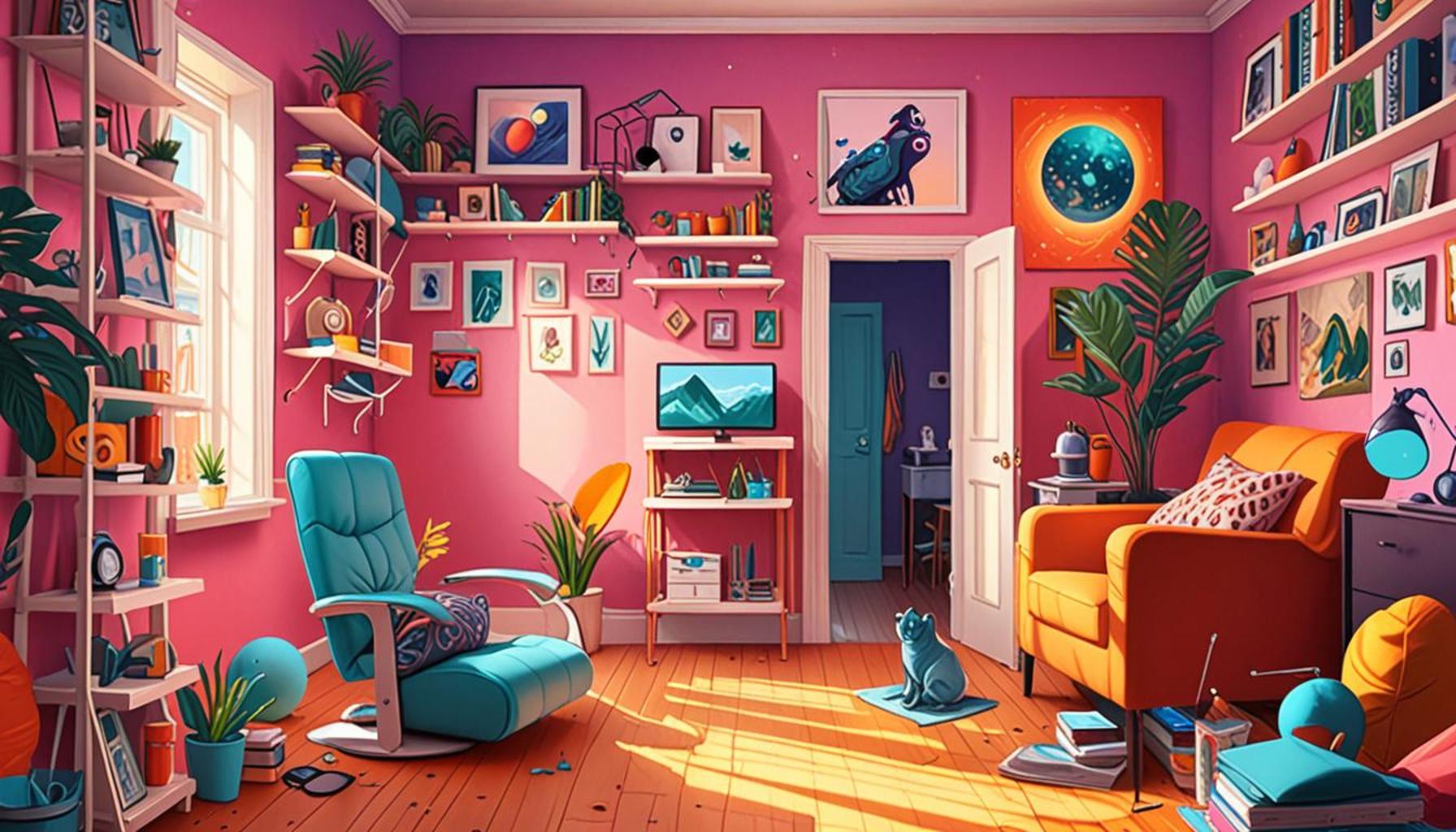
- Clutter and Chaos: Studies show that disorganized spaces can lead to feelings of anxiety and inadequacy. For instance, a chaotic bedroom may serve as a constant reminder of unfulfilled tasks, resulting in mounting stress levels. According to a report from the National Association of Professional Organizers, individuals who struggle with clutter often report over 60% higher levels of stress than those who maintain organized environments.
- Cleanliness and Control: Conversely, a well-organized environment can foster a sense of control, thereby enhancing self-esteem. A clean workspace often correlates with higher productivity levels; for example, employees in tidy offices are known to perform better and feel more satisfied with their jobs. This direct link between organization and psychological well-being has led many organizations to invest in professional organizing services.
- Social Judgments: It’s fascinating to note that others often form quick judgments based on the organization of a person’s space. A 2018 study found that people often stereotype individuals based on their personal spaces, leading to interpretations of character and personality from as little as a glance at someone’s home or office. This phenomenon implies that our personal environments can significantly influence how we make connections with others.
Surveys reveal that over 75% of Americans believe that a clutter-free environment positively affects their mood and interactions. This statistic raises an intriguing question: How does the organization of our personal spaces affect our confidence when engaging with others? Studies have shown that individuals with organized spaces feel more prepared and capable, influencing their social interactions and perceptions of their own abilities.
Exploring this relationship not only provides valuable insights into improving social skills and self-perception but may also lead to practical strategies for enhancing interpersonal relationships and overall well-being. For instance, decluttering sessions can be transformative, allowing individuals to experience a sense of accomplishment while simultaneously creating an inviting environment for themselves and their guests. By understanding how personal space organization impacts self-confidence perception, we can start to unpack the psychological layers that dictate our social experiences.
With the rise in initiatives promoting mental health awareness, recognizing the significance of our personal spaces is a vital step toward self-improvement. As we look for ways to connect with others, let’s consider how the organization of our surroundings plays an undeniable role in shaping our interactions and, ultimately, our identities.
DISCOVER MORE: Click here to learn about mindfulness and stress reduction</p
Understanding the Effects of Personal Space Organization
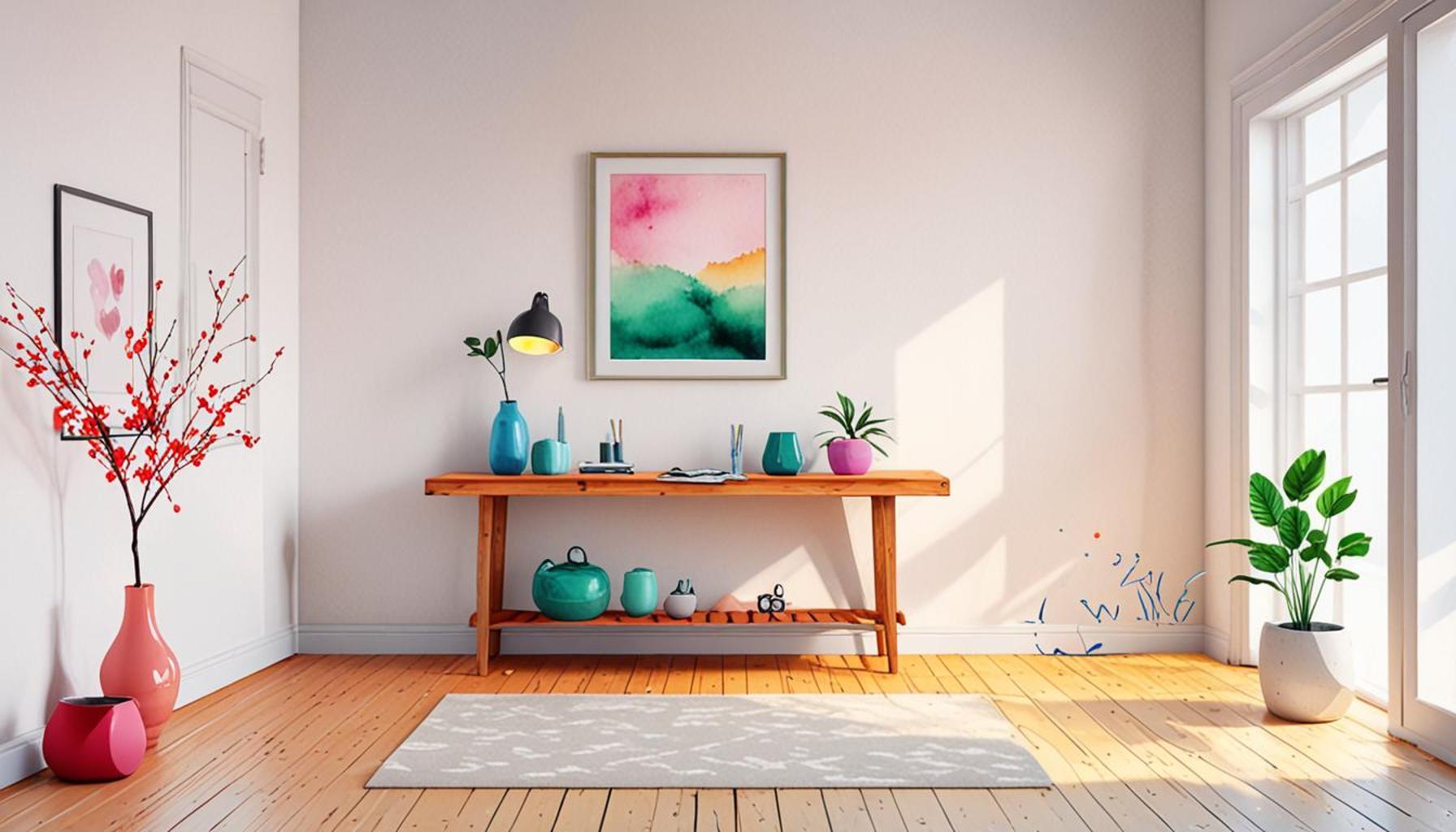
The relationship between personal space organization and self-confidence perception is multifaceted, influencing how we present ourselves in social environments. As we delve deeper into this connection, it becomes apparent that organizational habits extend beyond mere aesthetics; they play an integral role in the psychological well-being of individuals. An organized space can serve as a foundation for a positive self-image and foster stronger social interactions.
Research indicates that individuals who inhabit clutter-free personal spaces often experience a significant boost in their self-esteem. For example, a 2022 study published in the Journal of Environmental Psychology revealed that individuals in orderly environments reported feeling significantly more self-assured in social situations. This correlation can be attributed to several related factors:
- Perception of Professionalism: In professional settings, an organized workspace is often equated with competence. Interviewees and employees alike feel that a neat office can bolster their image, translating into impressions of reliability and dedication. This belief can sway hiring decisions. A survey by the Society for Human Resource Management found that over 60% of hiring managers would make negative assumptions about a candidate’s work ethic based on a cluttered resume or presentation materials.
- Mental Clarity: A cluttered environment can distract and overwhelm. Conversely, an organized space promotes focus and mental clarity, allowing individuals to navigate social scenarios with greater ease. People report feeling more capable and confident when their environments reflect order and control, enhancing their ability to engage with others more effectively.
- Emotional Stability: The psychology of a clean space also features repetitively in studies emphasizing emotional well-being. When individuals take control of their surroundings, they often regain a sense of agency over their lives, leading to improved emotional health. This transformation can enhance one’s willingness to partake in social activities, further emphasizing the interconnectedness between one’s living environment and self-confidence.
Moreover, the common tendency to judge others based on their personal spaces is undeniable. For instance, research published in the Journal of Social Psychology highlighted that 72% of individuals typically perceive those with tidy homes as more trustworthy and sociable than those with untidy spaces. This observation reinforces the notion that personal space organization not only impacts self-perception but also influences others’ assessments in social contexts.
Addressing the organizational habits in our personal environments can thus lead to profound changes in how we perceive ourselves. As individuals become more aware of their surroundings, they may find opportunities to improve their confidence and social engagement, ultimately strengthening their relationships with others. Emphasizing the importance of an organized space becomes a vital component in cultivating a more confident self-image and fostering lasting social connections.
| Category | Description |
|---|---|
| Organized Personal Space | A clutter-free environment enhances focus and reduces anxiety. |
| Impact on Self-Confidence | Well-organized spaces can lead to stronger self-esteem in social settings. |
| Positive Associations | Clean environments are often linked to positive feelings and increased productivity. |
| Social Perception | People perceive individuals with organized spaces as more competent. |
Exploring the relationship between personal space organization and self-confidence opens doors to understanding how our environments shape our perceptions and interactions. An organized personal space is not just about aesthetics; it creates a mental environment that fosters clarity and reduces distractions, empowering individuals to engage meaningfully with others. Studies show that individuals who maintain clean, structured spaces tend to experience less anxiety and have a more favorable self-image in social situations. Furthermore, the psychological effects of a tidy space can alter others’ perceptions too. People often view those who keep their environments orderly as more disciplined and capable, inadvertently boosting their social image. This dynamic emphasizes the importance of organization not merely as a lifestyle choice but as a crucial factor in enhancing one’s self-confidence in various social settings. The more aware you are of how your surroundings affect your mindset, the better equipped you will be to present your best self to the world.
DIVE DEEPER: Click here to uncover the benefits of minimalism
Personal Space as a Reflection of Identity
As we further explore the link between personal space organization and self-confidence perception in social environments, we uncover how our living and working habits not only reflect our personality but also shape our interactions with others. Personal space serves as a canvas for our identity, and the way we organize it can drastically alter how we view ourselves as well as how we are perceived by those around us.
One of the significant elements in this dynamic is the concept of self-presentation. Psychologist Erving Goffman’s theory of self-presentation suggests that individuals strive to control the impression they make on others, much like actors performing on a stage. An orderly and aesthetically pleasing space can enhance this presentation, effectively boosting one’s confidence during interactions. Just as clothing choices can influence perceptions, the organization of our personal spaces holds similar sway.
Moreover, the act of organizing personal space can itself be a confidence-building practice. Experiential learning expert David Gerow explains that physical involvement in organizing one’s surroundings can transform a fragmented psyche into a more cohesive self-image. The process serves as both a ritual and an assertion of control that translates into a higher sense of self-efficacy. This is particularly salient in shared living environments where the aftermath of clutter can amplify feelings of inadequacy. A well-organized home can reflect not only the individual’s internal state but also symbolize willingness to engage with others, ultimately leading to more fulfilling social encounters.
- Impact of Minimalism: The rise of the minimalist movement underscores the desire for clarity and simplicity in personal spaces. Studies indicate that individuals who adopt minimalistic principles often experience heightened well-being and clarity of thought. In a cultural context where ‘less is more’ prevails, this trend also filters into social perceptions. Simply put, individuals exhibiting minimalism are frequently viewed as approachable and grounded, again enhancing their confidence in social settings.
- Organized Spaces and Mental Health: There is a burgeoning body of research linking personal space organization with mental health outcomes. According to a study by the American Psychological Association, individuals residing in well-organized environments report lower levels of stress and anxiety. These emotional benefits subsequently allow for more confident social interactions, reinforcing the cycle of positive self-perception and social engagement.
- Social Media Influence: In the age of social media, curated personal spaces often become showcases for identity. Platforms such as Instagram can amplify the desire to present pristine and organized environments. Studies show that frequent exposure to images of tidy spaces can trigger comparison and impact self-esteem. Thus, the need to live up to these visuals can either inspire individuals to enhance their organization skills, positively impacting self-confidence, or induce dissatisfaction and anxiety when reality does not match up.
Understanding the deep intersection between personal space organization and self-confidence reveals much about the human experience in society. It not only underscores the importance of cultivating orderly environments but also highlights the implications for our interactions and perceptions within social landscapes. As the narrative unfolds, one can see that the path from personal space management to self-assuredness is paved with conscious choices that resonate through various layers of social life.
DISCOVER MORE: Click here to enhance your self-discipline
Conclusion
In conclusion, the intricate relationship between personal space organization and self-confidence perception in social environments extends far beyond mere aesthetics. Our surroundings are not just physical spaces; they embody our identity, emotional state, and social aspirations. By embracing the principles of organization and minimalism, individuals can create environments that not only reflect their values but also bolster their self-esteem and interpersonal effectiveness.
Research highlights that well-organized spaces contribute to lower levels of stress and anxiety, fostering an atmosphere conducive to genuine social engagement. In addition, the impact of social media serves as a modern lens through which we view personal organization. While it can encourage positive changes, it can also cultivate unrealistic comparisons that momentarily undermine our confidence.
Ultimately, the way we curate our personal spaces can serve as a powerful tool in shaping how we perceive ourselves and how we are perceived by others. Each choice we make in our surroundings reverberates through our interactions, influencing our social presence and engagement. As we navigate these complexities, a conscious effort to cultivate order and clarity in our environments emerges as a key strategy in enhancing self-confidence. This not only enriches our own experiences but also fosters more meaningful connections with those around us, creating a cycle of positivity that transcends the immediate context.
As individuals continue to explore the layers of connection between space and self-perception, it becomes clear that investing in personal space organization is a valuable endeavor, one that can lead us toward a more confident and fulfilling social existence.