How Minimalism in Decor Can Reflect and Reinforce Personal Identity, Boosting Self-Confidence
The Impact of Minimalist Decor on Identity
In our fast-paced world, the quest for identity and self-confidence can often feel overwhelming. Embracing minimalism in decor can serve as a transformative tool, offering clarity and focus amid life’s chaos. But what does this mean on a practical level, and how can it alter our daily lives?
At its core, minimalism revolves around the idea of eliminating excess and embracing simplicity. When applied to home decor, this approach can lead individuals to curate spaces that truly reflect their values, aspirations, and personal tastes. Removing unnecessary items allows for personal expression. For instance, consider a living room where every piece of furniture tells a story—perhaps a well-loved armchair passed down through generations or art by a local artist that resonates deeply with the homeowner. Such elements stand out more prominently in a decluttered space, highlighting what matters most.
Beyond aesthetics, minimalism has profound implications for mental well-being. A minimalist environment often leads to decluttering the mind. Research indicates that a clean, orderly space can reduce anxiety and improve focus. This is particularly true in the United States, where the hustle and bustle of daily life can contribute to overwhelming stress. For example, an office devoid of distractions, such as excessive decor or cluttered desks, can enhance productivity and creativity, allowing individuals to concentrate on what truly requires their attention.
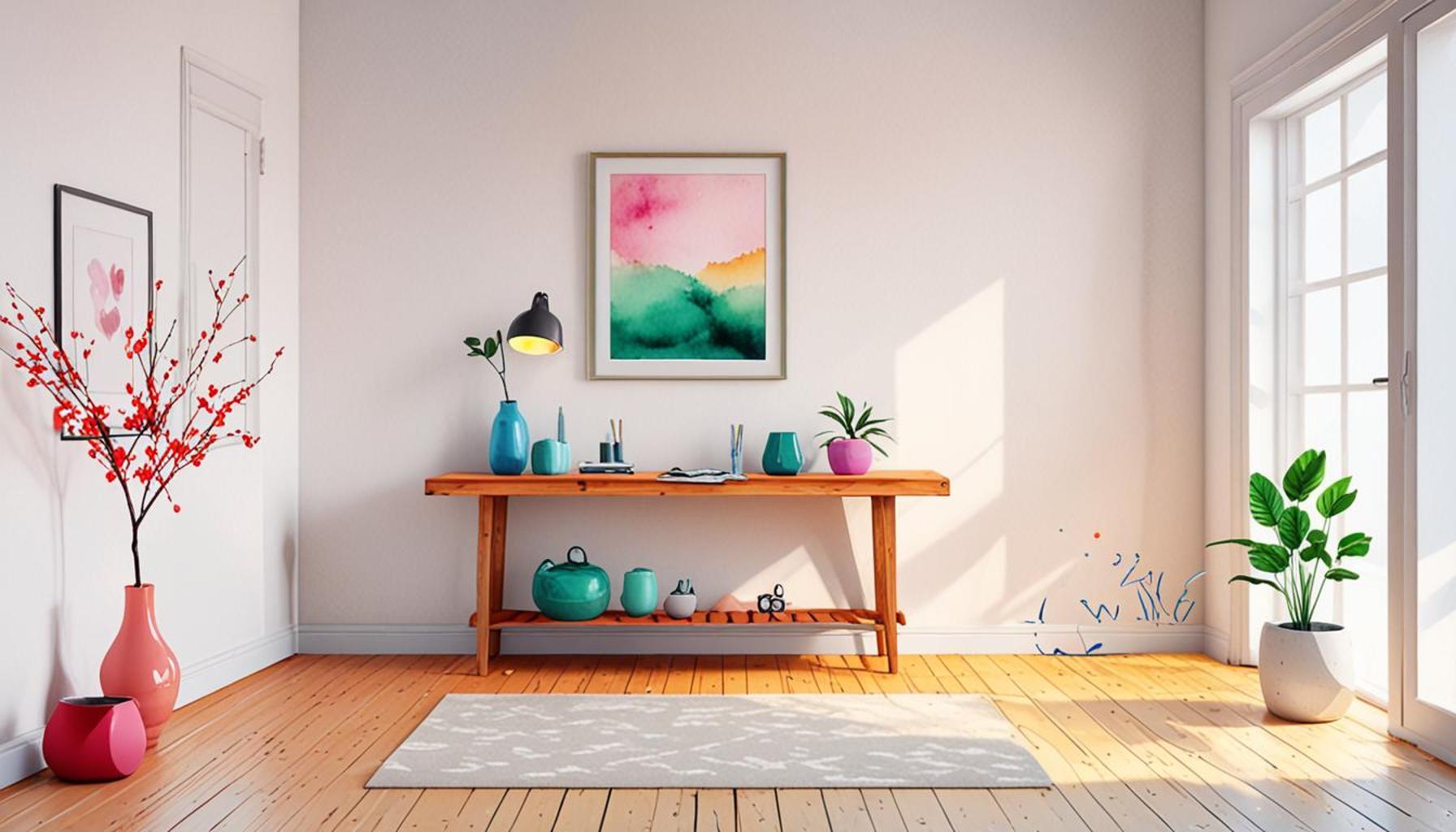
Furthermore, a thoughtfully designed minimalist space can have a direct impact on boosting confidence. A clean and intentional environment fosters a sense of pride and self-efficacy. Imagine entering a bedroom that is simple yet harmonious—neutral colors and a few carefully chosen decor pieces create a calming atmosphere. The act of maintaining such a space can empower individuals, enhancing their feelings about themselves and their lifestyle choices.
Moreover, minimalist decor encourages a deeper connection with one’s surroundings. Instead of feeling burdened by excess, a streamlined environment fosters a sense of peace and control. It’s about creating a sanctuary that allows individuals to recharge, reflect, and connect with themselves authentically.
As you explore the intersection of decor and self-identity, consider how embracing minimalism might lead to a more confident and authentic you. The journey into this aesthetic could not only redefine your space but also reshape your understanding of self. This exploration invites readers to contemplate their own environments and reflect on how they can harness the principles of minimalism to foster a more fulfilled and confident identity.
DISCOVER MORE: Click here to uncover the secrets of simplicity
Creating Space for Authenticity
Minimalism in decor isn’t merely an aesthetic choice; it’s a conscious decision to cultivate an environment that authentically reflects who you are. By stripping away the excess, individuals can prioritize items that offer real meaning and connection. In doing so, they embark on a journey of self-discovery, allowing their interior spaces to mirror their beliefs, passions, and lifestyles.
One of the most significant benefits of minimalist decor is its ability to enhance personal identity. While traditional decor may emphasize trends and mass-produced items, minimalism encourages homeowners to seek out pieces that resonate on a personal level. This often leads to a collection of unique elements that evoke memories, inspirations, and aspirations. As a result, the decor transforms into a reflection of the occupant’s journey and philosophical outlook.
- Curated Collections: Instead of filling walls with commercial art, minimalist decor promotes displaying artwork and photographs that are personally significant, thus crafting a narrative of self-identity.
- Thoughtful Furniture Choices: Each piece is chosen with intention, allowing it to serve a dual purpose of functionality and personal meaning, fostering a sense of pride.
- Ambient Lighting: Soft and strategic lighting enhances the atmosphere, creating a welcoming space that encourages relaxation and reflection, essential for personal growth.
Moreover, by focusing on functionality and purpose, minimalism encourages individuals to make selections based on what truly adds value to their lives. This purposeful curation can lead to a significant boost in self-confidence. When one surrounds themselves with items that hold personal significance, the environment naturally encourages a positive mindset. Research shows that people often feel more empowered in spaces that are thoughtfully arranged, leading to improved mental well-being and productivity.
Consider the contrast between a cluttered home office and a minimalist workspace. A chaotic environment can exacerbate feelings of overwhelm, while a neatly arranged workspace can enhance clarity and concentration. This shift can significantly modify how one approaches tasks, transforming anxiety into motivation. The simplicity of a clean desk adorned with only necessary tools can ignite a sense of control, allowing individuals to channel their energy toward achieving their goals.
Furthermore, adopting a minimalist approach fosters a sense of peace, making it easier to embrace personal choices without the distractions of consumerism. By intentionally limiting the number of possessions, individuals can focus on what is truly important—both in their decor choices and in life. This conscious living often leads to deeper connections with oneself, ultimately enhancing confidence as individuals realize what they truly value.
As you consider how minimalist decor intertwines with personal identity, think about your own relationship with your space. Could a streamlined environment help you foster a more confident, authentic version of yourself? The journey into minimalism is not simply about aesthetics; it’s about nurturing an identity that empowers and uplifts.
| Category | Description |
|---|---|
| Personal Expression | Minimalism allows individuals to curate their space with items that truly resonate with their personal identity. |
| Clarity and Focus | A minimalist environment promotes mental clarity, enabling individuals to focus more on their personal goals and aspirations. |
| Stress Reduction | By reducing clutter, minimalism creates a tranquil atmosphere, helping to alleviate stress and anxiety. |
| Empowerment | Curating a space that reflects personal values can reinforce a sense of self-mastery and boost self-confidence. |
Minimalism in decor transcends mere aesthetic; it is a powerful statement of personal authenticity that can significantly influence one’s self-perception and confidence. When individuals engage in the process of minimalistic decoration, they often embark on an introspective journey that pushes them to consider what truly defines them. The reduction of distractions and extraneous elements in one’s living or working spaces can spark clarity, both visually and mentally. Each selected item in a minimal decor should serve a purpose or hold emotional significance, creating a sanctuary that feels inherently personal.This dedicated approach not only fosters a serene environment but also reflects individual values and aspirations, leading to greater empowerment and a robust sense of identity. The consistent presence of a thoughtfully crafted minimalistic space can nurture self-confidence, as individuals find comfort in knowing that the space they inhabit is a true reflection of themselves and their journey.
DISCOVER MORE: Click here to learn how to create inspiring spaces
Transforming Your Mindset Through Space
Minimalism in decor has the profound ability to transform not just physical spaces, but also the mindsets of those who inhabit them. When individuals curate their surroundings with care, they embark on a journey of reinforcing their personal values, which can profoundly impact their confidence levels. This transformation is particularly relevant in many American households, where the influence of consumer culture can create a sense of obligation to conform to societal trends rather than express individuality.
The process of decluttering and simplifying can evoke a sense of liberation, as each item is examined for its relevance and significance. This breakthrough moment often empowers individuals to let go of things that no longer serve them—whether they are remnants of past relationships, obsolete hobbies, or outdated aspirations. Embracing minimalism means actively making decisions that clearly align with one’s identity, ultimately fostering a sense of ownership over one’s space and choices.
- Emotional Connection: Personal items, such as a framed graduation certificate or a handmade gift from a loved one, serve as reminders of achievements and meaningful relationships, reinforcing a positive self-image.
- Intentional Design: Each decorative choice—from color palettes to the arrangement of furniture—is purposefully made to evoke feelings of comfort and authenticity, contributing to a holistic appreciation of one’s environment.
- Stress Reduction: Research shows that environments characterized by minimalism can significantly reduce stress levels, allowing individuals to focus on personal goals rather than feeling overwhelmed by clutter.
As individuals develop a deeper understanding of their personal identities, they are also better equipped to communicate their uniqueness through their decor. A home that features carefully selected minimal furnishings can express a distinct style that aligns with personal preferences, sending a clear message to visitors about one’s aesthetic sensibilities. For instance, a dedication to eco-conscious living might be evident through the use of sustainably sourced furniture and decor items, showcasing an individual’s commitment to their values.
Moreover, the influence of minimalism is supported by increasing evidence that suggests a connection between environment and mental health. Environments that prioritize simplicity and intentionality can enhance focus and creativity. Studies indicate that people working in minimalist settings report heightened productivity and greater satisfaction with their work. This supports the notion that a well-thought-out space can significantly elevate one’s self-esteem, as individuals feel empowered by their surroundings to achieve their aspirations.
Furthermore, incorporating natural elements, such as plants or natural light, into a minimalistic decor scheme can elevate moods and promote feelings of tranquility. The importance of a calming atmosphere cannot be understated, as nurturing an environment that feels peaceful allows individuals to engage more positively with their surroundings and themselves. This is especially vital in urban areas where residents often face the pressures of a fast-paced lifestyle, as a minimalist sanctuary can serve as a refuge from the chaos outside.
In reflecting and reinforcing one’s personal identity through minimalist decor, individuals stand to discover an authentic self that transcends societal expectations. This journey is as much about self-acceptance as it is about aesthetic appreciation. Ultimately, embracing minimalism empowers individuals to take stock of their values and aspirations, thereby enhancing self-confidence and providing a foundation for living an intentional, fulfilling life.
DISCOVER MORE: Click here to unlock the power of minimalism
Embracing Minimalism for a Confident Identity
In conclusion, the journey towards minimalism in decor is not merely about reducing clutter but an empowering path towards self-discovery and personal growth. As individuals engage with their environments through a minimalist lens, they begin to articulate their unique identities in meaningful ways. This thoughtful curation of space serves as a canvas that reflects personal values and aspirations, while simultaneously providing a foundation for enhanced self-confidence.
By prioritizing emotional connections to significant items and embracing intentional design choices, individuals can construct serene environments that nurture both mental health and creativity. With various studies underscoring the positive effects of minimalism on emotional well-being, it becomes evident that a mindful approach to decor fosters a supportive atmosphere where personal goals can flourish.
Furthermore, as we witness a growing inclination toward sustainability and authenticity, minimalist decor allows individuals to showcase a commitment to conscious living. By making strategic choices that resonate with their life philosophies, people craft nurturing spaces that echo their values and aspirations.
Ultimately, this exploration of minimalism is a transformative experience that goes beyond aesthetics; it empowers individuals to embrace their authentic selves while cultivating self-confidence. In a world rife with distractions and societal pressures, minimalism offers a refreshing sanctuary to reconnect with what truly matters, creating a profound impact on both personal identity and emotional well-being. Whether one is just beginning the minimalist journey or honing an existing philosophy, the pursuit of simplicity in decor will invariably lead to a more centered and confident self.