
Optimism as a Tool to Overcome Anxiety During the Letting Go Process

The Journey of Change and the Art of Letting Go
Navigating through periods of change can often feel like traversing a rocky landscape filled with uncertainty and emotional upheaval. With the need to let go of familiar aspects of life, individuals frequently encounter an array of emotions, ranging from anxiety to confusion. In these challenging times, harnessing the power of optimism may serve as a crucial lifeline, nurturing resilience and offering a pragmatic approach to managing stress.
Understanding Optimism
At its core, optimism is not merely a cheerful facade; it’s a deep-rooted belief in the potential for positive outcomes, even in adverse situations. This perspective encourages individuals to see beyond current struggles, envisioning brighter possibilities ahead. For instance, a person facing job loss may initially feel a wave of despair. However, by adopting an optimistic mindset, they might begin to view this juncture as an opportunity to explore new career paths or pursue passions that had long been sidelined.
Addressing Anxiety
Transitions can often heighten feelings of anxiety, causing symptoms such as sleeplessness, irritability, or a constant sense of dread. Recognizing these symptoms is essential to managing them more effectively. During times of change, awareness is the first step toward regaining control. For instance, taking time to journal about feelings or talking to a supportive friend can make the emotional landscape less daunting. By acknowledging anxiety as a natural response rather than an insurmountable barrier, individuals can better equip themselves to move forward.
Practical Strategies for Cultivating Optimism
To foster a more optimistic outlook, various practical strategies can be implemented. Techniques such as mindfulness meditation help ground individuals in the present moment, allowing them to observe their thoughts without judgment. Engaging in activities that bring joy, such as hiking in nature or volunteering, can also enhance feelings of gratitude and positivity. Another powerful tool is the practice of positive affirmations, which can reinforce a belief in one’s ability to overcome challenges and embrace change.
Research indicates that a positive mindset not only helps reduce anxiety but also promotes overall well-being. Fostering this perspective can lead to improved mental health and emotional stability. Studies have shown that individuals who practice optimism tend to experience lower levels of stress and a greater sense of inner peace. Moreover, optimism enhances coping strategies, motivating people to take proactive steps toward acceptance and self-betterment.
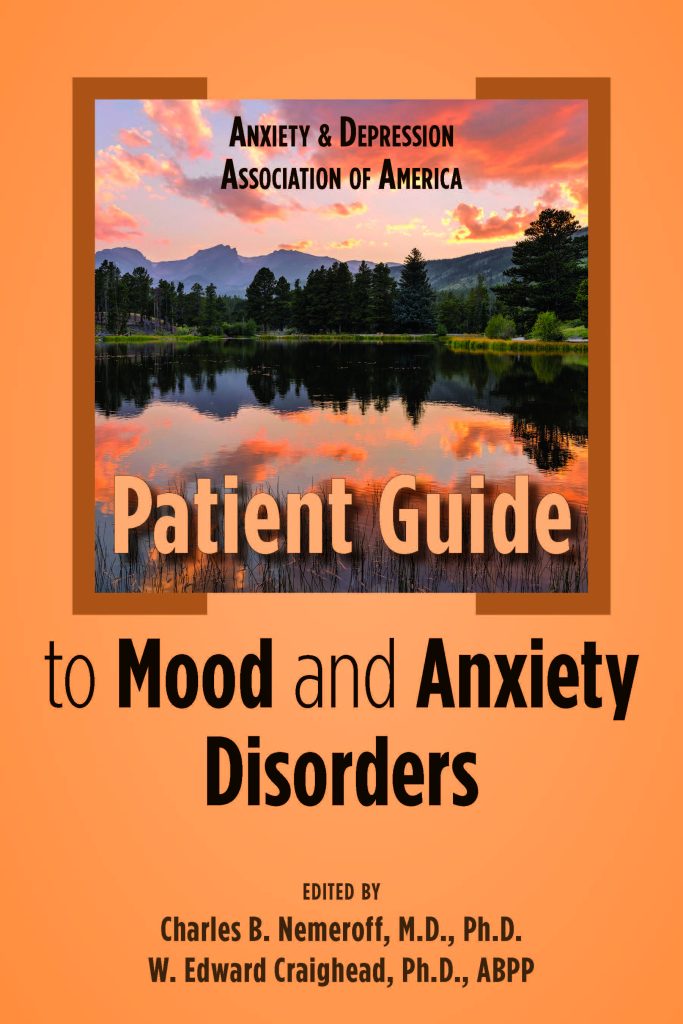
Furthermore, embracing a growth mindset transforms challenges into valuable learning experiences. Instead of viewing setbacks as failures, those with an optimistic outlook can dissect them for insights and lessons, thus turning obstacles into stepping stones for personal development. For example, a student struggling in school may initially see their grades as a negative mark against them but can choose to interpret this as a cue to seek additional help, inspiring growth and mastery of the subject.
In conclusion, the journey through anxiety and change need not be a solitary one filled with despair. By actively embracing optimism, individuals can cultivate resilience, improve their mental health, and ultimately discover the myriad opportunities that lie beyond the current turbulence. As readers explore these concepts, they are encouraged to reflect on their own experiences with change and the hidden gifts of letting go.
DISCOVER MORE: Click here to enhance your self-confidence
The Power of Optimism in Facing Uncertainty
In the midst of significant life changes, such as the end of a relationship, the loss of a job, or the relocation to a new city, uncertainty can loom heavy. This emotional weight often manifests as anxiety, making it challenging to envision a positive future. However, the power of optimism can act as a transformative tool in this context, allowing individuals to reframe their experiences and find hope amidst turmoil. When individuals consciously choose to see challenges as temporary and filled with potential, they not only reduce their anxiety but also build resilience against future obstacles.
Optimism and Its Role in Mitigating Anxiety
Optimism is a proactive approach that encourages individuals to focus on solutions rather than problems. Research suggests that cultivating an optimistic mindset can lead to lower levels of stress hormones and create a general sense of well-being. Consider this: when someone faces a life transition such as moving to an unfamiliar city, their initial response may be fear of isolation or failure. Yet, by adopting an optimistic viewpoint, that same individual can shift their focus to the exciting prospects of meeting new people and discovering novel experiences.
Several components contribute to a healthy optimistic outlook:
- Positive Reframing: This involves viewing situations from a fresh perspective, where failures are seen as learning opportunities rather than setbacks.
- Gratitude Practices: Participating in gratitude exercises—such as writing down things you are thankful for—can pivot your focus towards the positive aspects of life, even during periods of transition.
- Support Networks: Engaging with friends, family, or support groups provides encouragement and fosters optimism through shared experiences and insights.
- Goal Setting: Defining clear, achievable goals during times of transition gives individuals a sense of direction and purpose, making it easier to navigate emotional uncertainty.
Moreover, optimism is not just a feel-good concept; it has tangible benefits. Studies have shown that individuals with a positive outlook tend to have better health outcomes, from stronger immune systems to lower rates of depression. In contexts where anxiety is pronounced, aspiring towards optimism can serve as a buffer against adverse effects.
Furthermore, research indicates that optimistic individuals are more likely to engage in problem-solving activities, which can be essential in the letting go process. By envisioning favorable outcomes, individuals are more motivated to take necessary actions, such as enrolling in new classes to advance their career or developing new hobbies that enrich their lives. This proactive mindset not only alleviates anxiety but also opens doors to unforeseen opportunities.
In conclusion, leveraging optimism during challenging transitions offers individuals a pathway to greater emotional stability and resilience. The journey of letting go activates both fear and excitement, and by intentionally appealing to an optimistic perspective, one can adeptly navigate through life’s challenges. As the letting go process unfolds, embracing optimism not only makes the journey more bearable but also illuminates the potential for personal growth and new beginnings.
| Category | Description |
|---|---|
| Cognitive Reframing | Shifting perspective to view letting go as an opportunity instead of a loss. |
| Emotional Resilience | Building the ability to bounce back from emotional distress, enhancing overall well-being. |
| Mindfulness Practices | Engaging in activities that promote present-moment awareness, reducing anxiety during transitions. |
| Supportive Relationships | Connecting with others who share similar experiences can foster hope and optimism. |
Incorporating optimism into the letting go process can transform how individuals experience anxiety. Through cognitive reframing, one can learn to perceive their circumstances in a new light—viewing the end of a chapter as the beginning of a fresh journey, thus reducing feelings of loss. Additionally, fostering emotional resilience serves as another pillar. By developing skills to manage emotional upheaval, individuals become equipped not only to navigate change but to thrive amidst it, paving the way for better mental health. Practices such as mindfulness can be particularly effective in anchoring one’s thoughts during the often turbulent times of letting go, promoting a sense of calm and clarity. Engaging in mindful meditation or breathing exercises can ground individuals, allowing them to focus on the here and now rather than the uncertainties of the future. Finally, cultivating supportive relationships offers an invaluable resource. Through shared experiences and mutual encouragement, connections with others serve to uplift spirits and reinforce a positive outlook, helping to replace anxiety with hope during challenging transitions. Exploring these strategies can illuminate paths toward a more optimistic approach in life’s inevitable letting go moments.
DISCOVER MORE: Click here to boost your self-confidence through minimalism
Building a Routine with Optimism at its Core
As individuals navigate the tumultuous waters of change, establishing a routine can significantly enhance their optimistic outlook. Routines provide a sense of stability and predictability, counteracting the feelings of chaos that often accompany significant transitions. Incorporating optimism into daily rituals can make a profound difference in managing anxiety levels during the letting go process.
The Daily Dose of Positivity
Create a morning routine that sets a positive tone for the day. This could include practices like affirmations, where individuals recite positive statements about themselves or their future. For instance, starting the day with a simple mantra such as, “Today brings new opportunities,” can shift mental focus away from anxiety-inducing thoughts and into a mindset characterized by hope. Such affirmations have been shown to influence brain activity positively, enhancing resilience against stress.
In addition to affirmations, incorporating mindfulness meditation into daily routines is another powerful strategy. Research published in journals like the “Journal of Happiness Studies” indicates that mindfulness can foster an optimistic mindset by encouraging individuals to remain present, thus diminishing worries about the past or future. Mindfulness practices—such as deep-breathing exercises or guided imagery—can reduce anxiety and promote emotional clarity during challenging times when letting go feels overwhelming.
Seeking Knowledge and Skills
Another avenue to bolster optimism is through education and skill acquisition. Often, the anxiety associated with letting go stems from the fear of the unknown. By actively seeking new skills—be it through taking classes, attending workshops, or utilizing online platforms like Coursera or Skillshare—individuals can shift their perception of transition from a daunting challenge to an exciting opportunity for personal growth. This quest for knowledge fuels optimism by allowing individuals to envision a future filled with new competencies and experiences.
- Learning New Hobbies: Delving into a creative pursuit such as painting, writing, or playing an instrument can not only alleviate anxiety but also provide a new passion to explore. Engaging in hobbies can shift attention away from feelings of loss and toward self-discovery.
- Volunteering: Helping others offers a sense of purpose and can reframe negative feelings into positive interactions. By volunteering in community projects, individuals not only impact others’ lives but often find their own burdens lightened as they create connections and foster bonds.
In many cases, the act of letting go involves severing ties, but it can also pave the way for forging new connections. One of the fundamental aspects of human experience is the need to belong, and social support systems are integral to maintaining a positive mindset. Building new relationships, especially with individuals who share common goals or interests, can significantly sustain optimism during times of change.
Optimism in Challenging Conversations
Additionally, engaging in tough conversations, whether it’s expressing feelings related to a breakup or discussing redundancies at work, can be anxiety-inducing. However, approaching these discussions with an optimistic lens can lead to more productive outcomes. By maintaining a positive yet realistic perspective, individuals can mitigate conflicts and misunderstandings, thus easing the emotional burden during transitions.
Ultimately, achieving a balanced routine focused on optimism fosters an environment where personal growth can thrive, transforming the letting go process into a journey filled with possibilities. A steadfast commitment to optimism can not only soothe anxieties but also unleash potential that extends beyond the immediate moment. Embracing the unknown, with all its complexities, can lead to rewarding pathways that individuals may never have previously imagined.
DISCOVER MORE: Click here for essential tools and practices
Conclusion: Embracing the Power of Optimism
In the journey of letting go, optimism emerges as a vital tool—a beacon guiding individuals through the fog of anxiety and uncertainty. The act of releasing the past, whether it’s a relationship, job, or belief, inherently invokes feelings of fear and apprehension. However, by cultivating an optimistic mindset, individuals can transform this challenging period into a remarkable opportunity for growth and renewal.
As highlighted throughout this article, incorporating optimism into daily routines—through mindfulness practices, affirmations, and skills acquisition—serves to diminish anxiety and foster resilience. Establishing a routine that prioritizes positivity not only creates stability but can also enhance emotional clarity. Moreover, forming new connections and embracing challenging conversations with optimism can result in deeper relationships and constructive outcomes, further alleviating feelings of isolation during transitions.
The essence of optimism lies in its ability to reshape our perspective, allowing us to see change not merely as loss, but as an avenue filled with potential and possibilities. By engaging with the unknown in an optimistic light, we invite new experiences, learning opportunities, and personal growth into our lives. In essence, the letting go process, when approached with an optimistic mindset, morphs into a profound journey of self-discovery and fulfillment.
Ultimately, it is a conscious choice to harness optimism as we navigate periods of change. As individuals embrace this practice, they nurture a steadfast hope that can illuminate even the darkest moments, prompting them to connect with their inner strength and resilience. Thus, nurturing optimism becomes not just a coping strategy, but a transformative way to thrive through life’s inevitable ebb and flow.