Creating a Minimalist Home: How the Organization of the Environment Influences Our Emotions
Understanding the Power of Minimalism
In our increasingly complex society, it often feels like the external environment mirrors our internal struggle. A disorganized home can lead to feelings of unrest and distraction, while a clean, orderly space can promote a sense of calm and clarity. One effective approach to achieving this tranquility is through the philosophy of minimalism. Embracing minimalism goes beyond simply decluttering; it involves thoughtfully arranging our spaces to cultivate a peaceful ambiance conducive to mental clarity.
Research underscores the psychological benefits of maintaining an organized environment. For instance, studies have shown that reduced stress can be linked to clean living spaces. Clutter has been found to trigger anxiety and feelings of being overwhelmed, which can hinder our capacity to focus. In stark contrast, a minimalist approach creates an inviting atmosphere that promotes relaxation and calm. When you enter a neater space, your mind can breathe easier.
Moreover, minimalism can lead to enhanced creativity. When our surroundings are stripped of unnecessary distractions, our minds are free to wander and explore new ideas. Artists, writers, and thinkers often find that a sparse environment allows for greater inspiration since there are fewer elements competing for attention. An example of this can be observed in the practices of renowned figures such as Steve Jobs, who famously worked in environments stripped down to only the essentials to spark innovation.
The impact of minimalism extends to improved productivity, too. In workplaces where clutter is minimized, employees frequently report a boost in efficiency and task completion rates. Organized spaces streamline workflows, making it easier to locate essential tools and materials, which can be vital for success in today’s fast-paced work culture.
By adopting a minimalist lifestyle, we are encouraged to consciously curate our belongings, shaping our homes into sanctuaries that reflect our true values. This curated approach to living prompts us to consider the significance of our possessions — are they essential, or merely remnants of consumer habits?
Additionally, minimalism profoundly affects various aspects of our lives, including:
- Our mood: Living amidst clutter can induce feelings of chaos, whereas minimalism fosters a sense of peace and order.
- Our relationships: A serene and welcoming environment cultivates deeper connections with family and friends, as it reduces distractions during shared moments.
- Our lifestyle: By prioritizing quality over quantity in our possessions, we can enhance our life satisfaction and make more meaningful choices.
As we delve deeper into the core principles of minimalism, we will uncover effective strategies to align our living spaces with our emotional needs. Embracing simplicity not only declutters our homes but also revitalizes our lives. Discover how an organized environment can serve as the cornerstone for personal transformation and clarity in your everyday existence.
DISCOVER MORE: Click here to explore the benefits of minimalism
Embracing Minimalism: The Art of Organization
At the core of creating a minimalist home lies the art of organization. It is essential to understand that minimalism is not just a trend; it reflects a commitment to clarity and intentionality in our living spaces. When we choose to organize while minimizing our possessions, we directly touch on how these actions influence our emotions and overall well-being. The key lies in the way we interact with our environment, which can significantly impact our mood, stress levels, and ability to focus.
One impactful method of organization is the categorization of our belongings. By dividing items into functional groups — such as “everyday use,” “seasonal items,” and “sentimental keepsakes” — we can streamline both our space and our minds. Such systems not only reduce clutter but also promote an emotional connection to the items we choose to keep. This practice encourages us to ask the pivotal question: Does this item add value to my life? Taking a moment to assess the significance of our belongings ultimately results in a more thoughtful space where everything has its rightful place, leading to a sense of harmony.
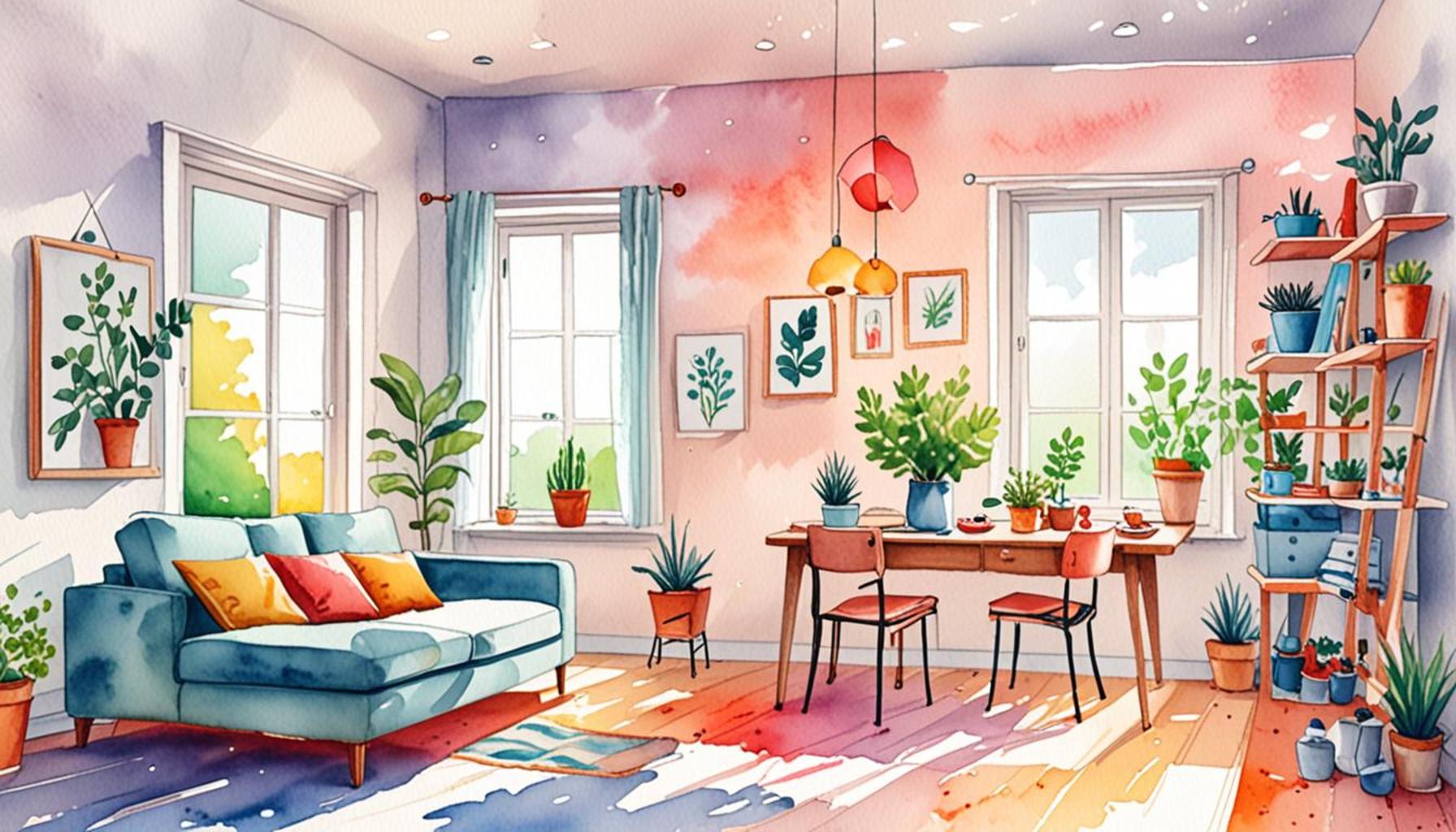
Moreover, the way we arrange our furniture plays a crucial role in crafting a minimalist atmosphere. Open spaces and strategically placed furniture encourage flow and movement, ensuring that our homes do not feel cramped. This design approach can evoke positive emotions; for instance, a living room characterized by ample space and natural light can foster a welcoming environment, perfect for gathering with loved ones or enjoying quiet moments of reflection. Without obstructions, our energy can flow freely, leading to a lighter emotional state.
The Emotional Benefits of Decluttering
The process of decluttering offers a profound sense of liberation. Scientific studies have linked the act of removing unnecessary items with increased levels of happiness and satisfaction. Clutter is often associated with feelings of chaos and disorder; thus, its removal can create a sense of accomplishment and ease. Individuals often report feeling lighter and less burdened once they let go of accumulated possessions that no longer serve a purpose.
- Increased Focus: Fewer distractions allow us to concentrate on tasks at hand, from work projects to personal hobbies.
- Enhanced Mood: A clean space naturally uplifts our spirits, contributing to overall emotional health.
- Improved Sleep Quality: A serene bedroom, free from clutter, fosters a calming environment that aids relaxation and restorative sleep.
As we strive for a minimalist home, it is essential to remember that this journey is deeply personal. Each decision regarding what to keep and how to organize reflects our values and priorities. As we cultivate our surroundings, the emotional benefits become increasingly evident, paving the way for a more fulfilling and vibrant life.
Creating a minimalistic home is not just about reducing clutter; it’s about transforming the very atmosphere in which we live. A carefully organized environment can significantly influence our emotions, helping to cultivate peace, productivity, and clarity of thought. When designing a minimalist space, pay attention to the intricate relationship between organization and emotional well-being. Firstly, consider the impact of color schemes. Minimalist homes often embrace a palette of soft, neutral tones, which can create a calming effect. Colors such as whites, beiges, and soft grays not only enhance the appearance of spaciousness but also induce tranquility, making it easier for individuals to unwind after a hectic day. Secondly, let’s explore natural lighting. Incorporating large windows and open spaces maximizes daylight, which plays a crucial role in improving mood and energy levels. Sunlight has been proven to boost serotonin, providing a natural uplift that enhances overall happiness. Furthermore, integrating plants into a minimalist setting can serve as a powerful tool for emotional enhancement. Indoor plants not only purify the air but their presence has been linked to lower stress levels. The splashes of green found in houseplants remind us of nature, fostering a connection that can be incredibly grounding.Lastly, the concept of mindful organization in a minimalist home extends beyond the physical. This approach encourages individuals to evaluate their possessions and only keep those that genuinely bring joy or serve a purpose. This conscious decision-making fosters a sense of control and empowerment over one’s living space, leading to improved emotional health.The challenge lies in maintaining this balance and continuing to reflect on the emotional impact of our surroundings. By embracing minimalism, we open ourselves to a more mindful lifestyle that nurtures both our spaces and our emotional states. As we delve deeper into the world of minimalism, let us explore how the organization of our environments can serve as a profound agent of change in our emotional landscapes.
DISCOVER MORE: Click here to enhance your space and self-confidence
Creating Spaces That Inspire
As we delve deeper into the principles of creating a minimalist home, it becomes evident that the design of our spaces is intrinsically linked to our emotional landscape. By intentionally designing our environments, we are not mere observers; we actively shape our feelings and responses to daily activities. Thoughtful design can awaken inspiration, boost creativity, and provide emotional comfort, all of which are essential to living a fulfilling life.
One powerful technique in minimalist home design is the application of color theory. Colors can evoke a spectrum of emotions, and understanding their psychological impact can be transformative. For example, soft shades of blue and green tend to instill tranquility, making them ideal choices for bedrooms or relaxation areas. In contrast, vibrant colors like yellow can energize a space, prompting productivity and enthusiasm — perfect for home offices or creative studios. By harmonizing colors in our environments, we foster a sense of balance that speaks to our emotions.
The Role of Natural Elements
Integrating natural elements into our living spaces is another cornerstone of minimalist design. Biophilic design, which emphasizes our connection to nature, has gained traction in recent years. Incorporating plants, natural light, and organic materials can enhance our mood and overall well-being. According to a study published in the *Journal of Environmental Psychology*, individuals reported higher levels of positive emotions and lower levels of stress when they were surrounded by greenery.
- Plants as Mood Lifters: Indoor plants like succulents and ferns not only purify the air but also evoke feelings of tranquility and contentment.
- Naturally Lit Spaces: Maximizing sunlight in a room reduces feelings of depression and fatigue, contributing to a more productive and positive mindset.
- Organic Materials: Elements like wood and stone create a grounding effect, helping to establish a calming ambiance in a home.
Furthermore, embracing minimalism means prioritizing functionality along with aesthetics. Multi-functional furniture pieces, such as a fold-out dining table or a storage ottoman, serve a dual purpose, reducing clutter while maximizing utility. This streamlined approach not only creates an organized space but also encourages us to live with intention, making our daily interactions with our environment more meaningful.
Personalization Through Minimalism
Interestingly, the practice of minimalism doesn’t necessitate sacrificing personality. Many individuals worry that a minimalist aesthetic must be devoid of personal touches, yet this could not be further from the truth. Curating a space that reflects our tastes and experiences can enhance our emotional connection to the environment. Choosing art pieces, photographs, or decor that resonate with our personalities ensures that our minimalist spaces still tell our unique stories. By introducing these elements mindfully, we maintain a minimalist philosophy without compromising our identity.
The journey to a minimalist home invites us to constantly evaluate our surroundings and the items we choose to keep. Each decision reveals our emotional priorities and the values we hold dear. As we cultivate spaces filled with intention and clarity, we invite positivity and purpose into our lives, reinforcing the profound relationship between our environments and our emotions. Creating a minimalist home is not merely about reducing physical clutter; it is about elevating our emotional experiences by harmonizing our surroundings with our true selves.
EXPLORE MORE: Click here to uncover the power of an optimistic mindset</
Conclusion: The Emotional Impact of Minimalist Living
In conclusion, creating a minimalist home is more than just a design choice; it is a profound journey towards emotional clarity and well-being. The deliberate organization of our environments plays a critical role in shaping our emotional experiences. Each element, from color theory to the integration of natural elements, contributes significantly to our mood and mental state. By selecting colors that calm or energize us and incorporating plants that purify the air while lifting our spirits, we can create spaces that support our emotional health.
The minimalist ethos encourages us to assess our belongings and let go of what no longer serves us, fostering a serene atmosphere filled with purpose. Yet, minimalism does not demand the absence of personality; instead, it invites creativity through intentional personalization. Curating decor that reflects our individuality and experiences ensures that our minimalist spaces remain a testament to our unique stories.
This journey also emphasizes the importance of functionality alongside aesthetics, promoting a lifestyle characterized by mindfulness and clarity. As we cultivate environments that resonate with our authentic selves, we unlock the potential for increased joy, productivity, and overall emotional well-being. By embracing minimalism, we open the door to a harmonious living space that nurtures our inner peace and invites positivity into our lives.
Ultimately, the impact of our surroundings on our emotions is profound, making the pursuit of a minimalist home not just a trend, but a transformative lifestyle choice that enhances our daily existence.