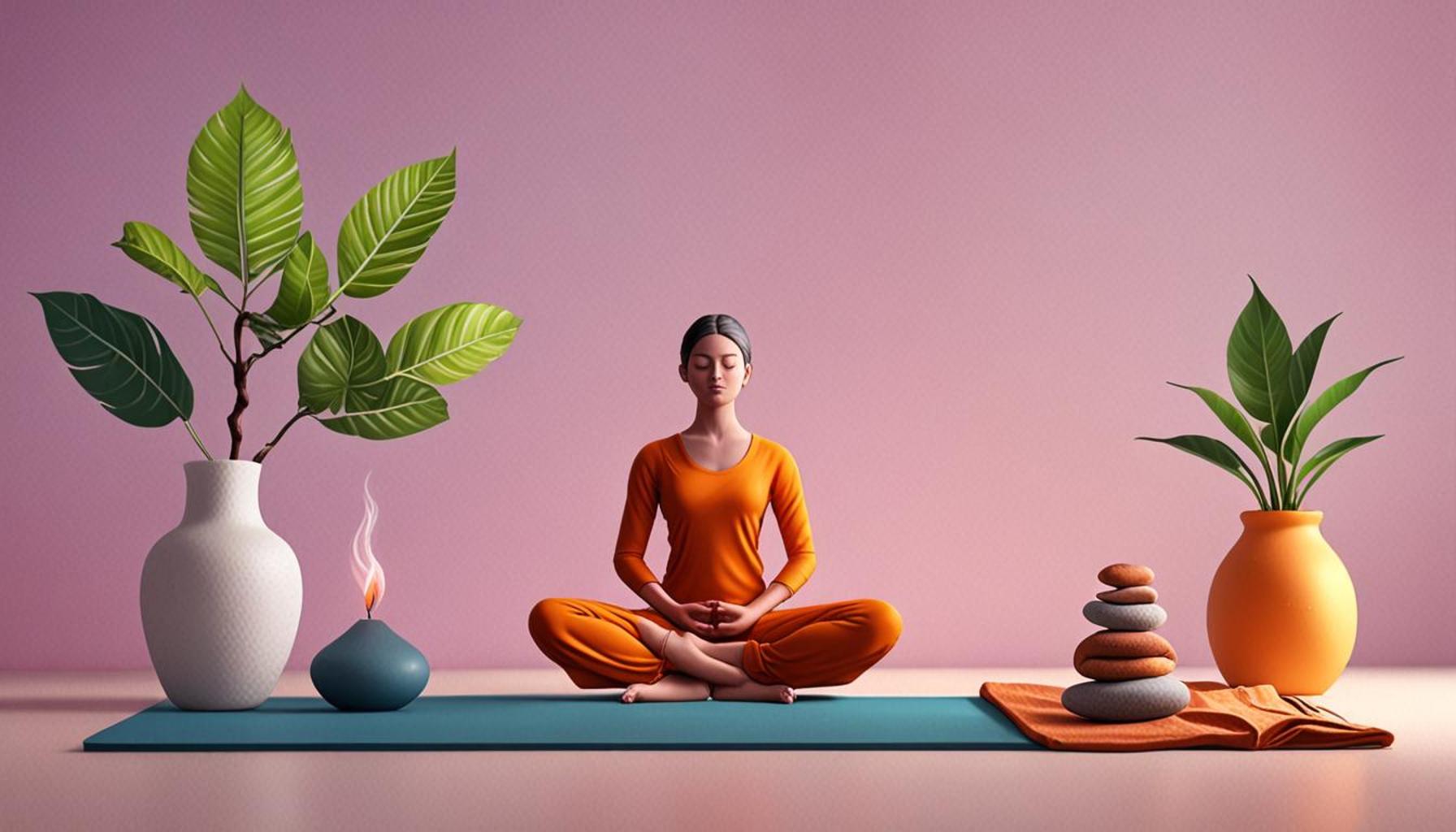
Integrating Mindfulness in Minimalism Reduce Stress Boost Mental Clarity

In today’s fast-paced world, the pursuit of simplicity increasingly resonates with many individuals seeking to enhance their quality of life. Minimalism emphasizes decluttering both physical spaces and mental burdens, creating an environment that fosters peace and clarity. When integrated with mindfulness practices, this philosophy can significantly reduce stress and improve mental clarity.
Understanding the synergy between mindfulness and minimalism can reshape how we approach personal organization and well-being. Mindfulness encourages us to live in the moment and appreciate what we have, while minimalism provides the framework for reducing distractions. Together, they forge a path toward a more intentional and focused life.
In this article, we will explore the Top 5 ways to integrate mindfulness into minimalist practices, helping you create a serene and organized life. Prepare to discover effective techniques that will not only declutter your space but also enrich your mental landscape.
Top 5: Integrating Mindfulness into Minimalism: Reducing Stress and Enhancing Mental Clarity
In the ever-demanding landscape of modern life, two philosophies are capturing attention for their ability to transform stress into tranquility and clutter into clarity: mindfulness and minimalism. While these concepts originate from different traditions, merging them can lead to profound lifestyle changes. As individuals gravitate towards simplifying their lives, the integration of mindfulness into minimalism emerges as a powerful strategy. Here, we delve into the top five ways this fusion can refine your life, diminish stress, and heighten mental clarity. Let’s explore these principles from fifth to first, illustrating how they might reshape your interaction with the world around you.
5. Mindful Consumption
In our consumer-driven society, mindful consumption stands as a revolutionary practice. It involves consciously selecting what to introduce into our lives, extending beyond physical belongings to digital content, personal relationships, and even thoughts. This intentional selection process aligns with minimalistic values and significantly reduces chaos.
Consider these three strategies for practicing mindful consumption:
- Focus on Quality Over Quantity: When choosing items, prioritize those of high quality that fulfill an authentic need. This approach reduces wastage and ensures that each object has a meaningful place in your life.
- Limit Digital Noise: Today’s digital landscape can overwhelm the senses. By unsubscribing from unnecessary channels and unfollowing non-beneficial content, you gain mental space and clarity.
- Reflect on Purchases: Before making a purchase, pause to consider its alignment with your personal goals and needs. This reflection fosters intentional spending and satisfaction.
Through mindful consumption, you cultivate an environment focused on clarity and intention, minimizing stress associated with overabundance and unnecessary distractions.
4. Simplifying Routines with Mindfulness
The scope of minimalism beautifully overlaps with our daily routines, extending beyond mere materialistic focus. By simplifying tasks and incorporating mindfulness, one can create a nurturing and stress-free routine. Mindfulness involves the practice of engaging in the present moment, which can be seamlessly integrated into daily life.
Here are a few simple practices to consider:
- Mindful Mornings: Start each day with brief meditation or deep breathing. These practices ground you, preparing you for a day of focused attention and calmness.
- Single-Tasking: Contrary to the multi-tasking culture, focusing on one task at a time enhances productivity and lowers stress levels. It encourages thorough engagement with each task, improving its outcome.
- Mindful Eating: Eating should be a full sensory experience. By savoring each bite and minimizing distractions, such as screens, you foster an appreciation for food and enhance digestion.
Adapting these practices into your routine allows for a calming presence, fostering appreciation for the now and reducing stress through simplicity and focus.
3. Creating Mindful Spaces
The spaces we inhabit directly affect our emotional and mental states. A minimalist environment, enhanced with mindful principles, can transform any area into a haven of tranquility. It’s not just about decluttering; it’s about creating spaces that inspire calm and clarity.
Consider the following steps for a mindful space:
- Declutter Regularly: Make it a routine to evaluate and cleanse your space of unnecessary items. This habitual action prevents chaos from accumulating, fostering a consistently peaceful environment.
- Incorporate Natural Elements: Elements like plants and natural light play a significant role in promoting a serene atmosphere. These natural enhancements can ease stress and elevate mood.
- Designate Mindfulness Zones: Set aside specific areas dedicated to reflection, meditation, or simple relaxation. These zones act as sanctuaries for mental relaxation amidst the demands of life.
Creating mindful spaces supports mental wellness, promoting a harmonious living area that encourages peace and focus.
2. Building Mindful Habits
Integrating mindfulness with daily habits forms the backbone of sustainable minimalism. By nurturing such habits, individuals can embrace simplicity and achieve lasting stress reduction, harnessing the essence of a mindful lifestyle.
Here are a few habits to help cultivate this lifestyle:
- Gratitude Journaling: Journaling about things you are grateful for imbues your day with positivity, focusing on abundance rather than lack.
- Regular Reflection: Take time weekly to evaluate your life’s direction and satisfaction. This self-awareness keeps minimalism personalized and relevant.
- Tech Breaks: Implement regular digital detoxes to reconnect with your thoughts and the physical world around you without electronic interference.
These mindful habits serve as pillars for a minimal life, infusing each moment with intention and meaning.
1. Achieving Inner Peace through Mindful Minimalism
At the heart of integrating mindfulness with minimalism lies the ultimate pursuit of inner peace. Understanding and adopting the core of both philosophies grants access to clarity and serenity. The ongoing practice of living in the present complements the release of mental clutter, inviting peace into daily life.
- Mindfulness Meditation: Regular meditation sessions help still the mind, centering thoughts and encouraging equilibrium.
- Cultivating Awareness: Practice observing your environment without judgment. This enhances perception and reduces reactive stress.
- Living Intentionally: Make decisions that prioritize your mental health and well-being over societal pressures.
Embracing mindful minimalism unlocks a path to peaceful existence, where every choice is infused with purpose, and every moment is considered. While this journey towards inner peace does challenge conventional living, its rewards—a serene, clear, and uncluttered life—are well worth the effort.
By adopting these strategies, you can cultivate a life reflecting meaningful simplicity and mindfulness, standing resilient against stress and embracing a clearer mental state. The union of mindfulness and minimalism invites a deeper, more harmonious way of engaging with the world, sparking transformation one mindful moment at a time.
The integration of mindfulness into the practice of minimalism emerges as a powerful tool for individuals seeking to alleviate stress while enhancing mental clarity. Mindfulness encourages a focused awareness of the present moment, allowing individuals to engage fully in their experiences, while minimalism advocates for the intentional reduction of physical and mental clutter. Together, these practices create a harmonious balance that nurtures well-being and fosters clarity.One significant advantage of this integration is the reduction of decision fatigue. In a fast-paced world saturated with choices, individuals can easily feel overwhelmed. By embracing minimalism, they simplify their lives, limiting their possessions and commitments. Mindfulness complements this by encouraging individuals to be present and deliberate in their decision-making processes. This combination minimizes stress, as individuals can focus their energy on what truly matters to them, both materially and experientially.Moreover, mindfulness promotes a deeper appreciation of the items and experiences that one chooses to keep. When individuals practice mindfulness, they become more aware of their emotional responses to their possessions, leading to conscious choices about what to retain in their lives. This not only lightens the physical load but also fosters a sense of gratitude and connection to the present, enhancing overall well-being. As a result, individuals often find that they are more satisfied with what they have, reducing the impulsive desire for more.Additionally, the practice of minimalism intertwined with mindfulness techniques can lead to improved mental health outcomes. Studies indicate that practicing mindfulness can lower levels of anxiety and depression. When combined with minimalism, individuals report greater levels of peace and clarity. The act of decluttering one’s environment becomes a form of self-care, promoting a sanctuary for the mind free from distractions. People often discover that their mental space becomes as refreshed as their physical space, resulting in heightened creativity and focus.Furthermore, engaging in mindfulness encourages individuals to recognize and let go of attachments that may no longer serve them. Whether these are possessions, relationships, or habitual thought patterns, the mindful approach provides clarity on what contributes positively to one’s life. This release can be liberating, reducing emotional burdens and creating room for new experiences that align with one’s values and aspirations.The synergy of mindfulness and minimalism also extends beyond personal well-being to societal and environmental considerations. As individuals adopt these practices, they often become more conscious consumers. Mindfulness nurtures a sense of responsibility towards the environment and the impact of overconsumption, leading to choices that reflect sustainability. This collective shift towards minimalism can foster broader social change, encouraging communities to value experiences over possessions and to invest in mindful living practices.Overall, the integration of mindfulness within the framework of minimalism serves as a transformative approach. It invites individuals to explore their relationship with their surroundings and to live intentionally, leading to reduced stress and enhanced clarity. As more people embrace these philosophies, they unlock a profound potential for holistic well-being, encouraging a lifestyle that values simplicity, presence, and sustainability.
Frequently Asked Questions about Mindfulness and Minimalism Integration
What is the connection between mindfulness and minimalism?
The connection between mindfulness and minimalism lies in their mutual focus on living intentionally. Both practices emphasize the importance of being present and conscious in your daily activities. Mindfulness involves cultivating awareness of the present moment, while minimalism encourages removing distractions to focus on what truly matters. When combined, they can help reduce stress and enhance mental clarity by promoting a more focused and purposeful lifestyle.
How can mindfulness help reduce stress when practicing minimalism?
Mindfulness can significantly aid in reducing stress during the transition to a minimalist lifestyle by encouraging individuals to truly engage with their emotions and thoughts. By paying attention to how stress manifests, you can address it more effectively. Mindfulness practices, like meditation and mindful breathing, allow individuals to observe their thoughts non-judgmentally, leading to a deeper understanding and reduction of stressors associated with changes in lifestyle.
Is it challenging to integrate mindfulness into everyday minimalism practices?
Integrating mindfulness into minimalism can be challenging at first due to the need to change habitual thought patterns and behaviors, but with practice, it becomes more intuitive. Start with small, consistent steps, such as creating a mindful morning routine or decluttering with intention. Over time, you’ll likely find that the practice helps you make more thoughtful decisions about what you allow into your life, culminating in a richer, more purposeful existence.
What tangible benefits can one expect from combining mindfulness and minimalism?
Combining mindfulness and minimalism often leads to numerous benefits, including a decreased mental clutter, enhanced focus, and a greater appreciation for life’s simple pleasures. Many practitioners report feeling less overwhelmed by everyday demands and more empowered to live by their values. Additionally, the reduction of physical and mental clutter can result in significant improvement in overall emotional well-being.
Are there any potential downsides to this integration?
While the integration of mindfulness and minimalism provides many benefits, some individuals may initially experience difficulty accepting the bare simplicity or potential emotional challenges of letting go of material possessions. This can sometimes lead to discomfort or resistance. However, with a strong support system and continuous practice, these challenges can usually be overcome, leading to an enriching and fulfilling lifestyle transition.
Conclusion
The fusion of mindfulness and minimalism presents a transformative approach towards reducing stress and enhancing mental clarity. As explored throughout this article, integrating mindfulness into the practice of minimalism emphasizes the necessity of living in the moment while consciously simplifying one’s life. By focusing on deliberate choices in our personal and physical environments, this integration not only fosters a serene existence but also cultivates a deeper appreciation for the present. This synergy plays a pivotal role in decluttering our minds, much like we aim to declutter our spaces.
The main takeaways underscore the importance of awareness and intentionality in our day-to-day activities. Practicing mindfulness encourages individuals to question the necessity and impact of their possessions, leading to a more thoughtful and sustainable minimalist lifestyle. Moreover, reducing the mental and physical clutter paves the way for improved focus, productivity, and mental peace.
Integrating mindfulness into minimalism proves to have broader implications for personal organization. By adopting this harmonious combination, individuals can experience a boost in cognitive functions and emotional well-being. Similarly, this approach offers an opportunity for readers to explore a holistic life reset, identifying intricate connections between mind and environment while striving for a balance that respects both personal values and aspirations.
As stress becomes an increasingly prevalent menace in modern life, turning to mindfulness and minimalism can offer a refuge. Engaging with these practices not only promises a clutter-free space but also cultivates a deeper connection with oneself—a critical component in maintaining long-term mental health and clarity. Embracing this path could very well be a key for many to unlock tranquility and focus in their daily lives, inviting readers to ponder: How might this transformation impact your approach to minimalism and personal organization?