
Mindfulness and Personal Organization Transform Your Space and Life

Transform Your Space and Life with Mindfulness
In today’s fast-paced world, the concept of mindfulness has emerged as a powerful tool for enhancing well-being and clarity. With its roots deeply embedded in minimalism, mindfulness encourages individuals to recognize the importance of their surroundings and how it influences their emotional state. By integrating mindfulness into personal organization practices, you can cultivate a space that is not only tidy but also nurtures mental peace.
Beyond simple decluttering, this approach emphasizes the connection between physical space and mental clarity. An organized environment can lead to improved focus and a calmer mind. As you delve deeper into the principles of mindfulness, you may uncover innovative ways to manage your space and your life.
Ready to explore how mindfulness can revolutionize your organization strategies? Stay tuned as we present the Top 5 techniques that can help you create a serene and productive environment.
Top 5: Mindfulness and Personal Organization – How Mindful Awareness Can Transform Your Space and Life
In today’s fast-paced society, inundated with distractions, continuous notifications, and never-ending to-do lists, achieving and maintaining a state of mindfulness has emerged as a method of invaluable importance. Mindfulness, at its core, is the practice of being fully present and engaged in the current moment without judgment, cultivating an awareness that extends beyond inner thoughts and emotions to include the physical world around us.
Embracing mindfulness can bring a profound sense of harmony between the mind and environment, significantly boosting organizational skills, productivity, and emotional well-being. Here, we delve into the top five ways mindfulness can positively impact your space and life, ranked from least to most impactful.
5. Creating a Decluttered Environment
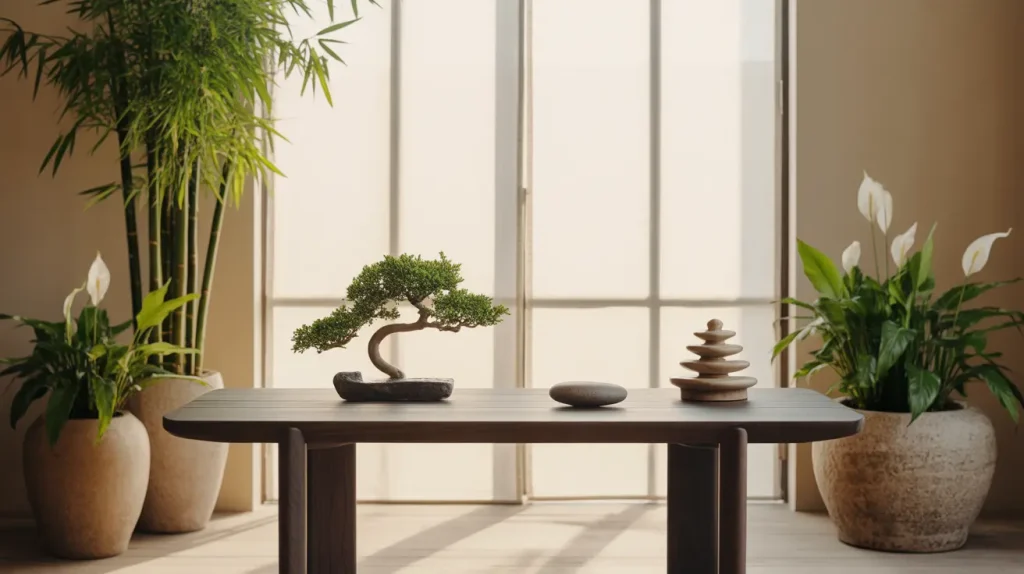
The journey toward a mindful space begins with eliminating clutter. Clutter can obscure mental clarity, creating an environment that fuels stress and disorder. By practicing mindfulness, one learns to take conscientious inventory of their physical surroundings. This entails asking oneself whether items hold relevance or serve a genuine purpose in the journey toward one’s current goals and peace of mind. Mindful strategies for decluttering include:
- Weekly Reflection: Set aside specific time weekly to actively address and evaluate belongings. This sustained practice helps to recognize and reinforce the concept that less is often more.
- One In, One Out Rule: For each new item introduced into your space, commit to removing another. This can help maintain balance and prevent the accumulation of unnecessary goods.
- Prioritize Meaning: Focus on items that serve a specific function or hold emotional significance, letting go of those that don’t add positive value to your life.
Adopting these mindful approaches to decluttering not only facilitates a physical transformation of your space into a sanctuary of calm and focus but also aids in mental relaxation, creating a serene atmosphere conducive to relaxation and clarity.
4. Establishing Mindful Routines
Embedding mindfulness in daily routines can substantially influence how organized and balanced one feels. When mindfulness principles are interwoven into the fabric of everyday tasks, habits leading to improved organization naturally emerge. Consider integrating these mindful practices:
- Morning Meditation: Start the day with brief meditation sessions. Focus on deep breathing and setting intentions to ground yourself, fostering a mindset ready to tackle the day mindfully.
- Mindful Task Listing: Utilize a list to outline daily tasks, prioritizing those that align with your true goals. This encourages more intentional, rather than reactionary, activity management.
- Conscious Pauses: Incorporate short breaks for self-reflection to assess mental clutter. These pauses can translate into understanding and managing physical clutter as well.
Mindful routines strike a delicate balance between structure and spontaneity, enabling individuals to be both present and productive without losing sight of the larger picture.
3. Enhancing Focus and Productivity
A core benefit of mindfulness is its ability to significantly enhance focus, a treasured asset for maintaining organization. Techniques such as meditation and deep breathing exercises can bolster one’s ability to concentrate, yielding substantial gains in productivity. The benefits of this sharpened focus include:
- Task Efficiency: Enhanced focus equips you to effectively complete tasks without resorting to multitasking, a process known to dilute quality and productivity.
- Minimized Distractions: A mindful state reduces susceptibility to distractions, leading to longer, uninterrupted work periods crucial for maintaining flow.
- Enhanced Satisfaction: Successfully completed projects foster a sense of accomplishment, reinforcing a cycle of positive, productive habits.
As mindfulness amplifies focus, the capacity to maintain an orderly space and manage tasks also improves, creating a domino effect that brings satisfaction and order to one’s life.
2. Strengthening Emotional Awareness
Mindfulness not only assists in achieving a tidy space; it importantly enhances emotional intelligence. Gaining deeper insight into one’s own emotions allows individuals to unravel the motivations driving their consumption and organizational patterns. Emotional awareness fosters decision-making driven by necessity rather than impulse. Here are some ways it helps:
- Identifying Triggers: Recognize emotional triggers that contribute to clutter, paving the way for targeted behavioral adjustments.
- Practicing Gratitude: Mindfulness encourages gratitude, which can naturally reduce the urge to acquire more material possessions.
- Value-Driven Environment: Curate a living space that authentically reflects your genuine values, leading to experiences filled with significance and fulfillment.
This synergy of emotional depth and organizational strategy can provide a more meaningful approach to life and a deeper connection with one’s space.
1. Cultivating a Sense of Purpose and Clarity
At the heart of mindfulness and personal organization stands the pinnacle of cultivating a sense of purpose and clarity. This profound insight refines one’s understanding of essential values, enabling the alignment of one’s physical environment with personal aspirations. How does mindfulness facilitate this transformative journey?
- Value-Driven Decisions: Distilling what is truly essential helps redefine both priorities and the organization of physical spaces in a manner that serves these values.
- Clarity-Driven Motivation: A well-defined purpose nurtures ongoing dedication to maintaining a mindful, intentional environment.
- Purposeful Living: Approaching life with intention enhances organizational capacities and overall well-being, creating an environment reflective of the inner self.
When one grasps a sense of purpose, their environment begins to mirror their true self, unlocking transformative experiences that impact the outer world and the inner life alike.
In conclusion, incorporating mindfulness into personal organization is a powerful pathway to enhance not only your physical space but also your overall life satisfaction. By transitioning from decluttering to living with purpose, anyone can witness the life-changing benefits of mindfulness and organization.
| Category | Details |
|---|---|
| Clutter Reduction | By practicing mindfulness, individuals can develop a greater awareness of their surroundings, leading to more intentional decision-making regarding possessions. |
| Enhanced Focus | Mindfulness enhances concentration on present tasks, significantly improving productivity and reducing overwhelm that can come from disorganization. |
| Stress Management | Mindfulness techniques foster relaxation and help manage stress, enabling individuals to approach organizational tasks with a clearer mind and reduced anxiety. |
| Emotional Clarity | Practicing mindfulness can lead to greater emotional awareness, helping individuals recognize triggers that contribute to their clutter or disorganized spaces. |
The relationship between mindfulness and personal organization extends far beyond simply decluttering a physical space. As one cultivates this practice, the benefits also transcend to emotional and mental well-being. The act of becoming more aware of one’s surroundings encourages a critical examination of why one holds onto certain items. This insight often leads to the realization that many possessions serve no purpose in one’s life and can contribute to significant chaos and distraction.In addition to clutter reduction, mindfulness significantly enhances focus. More than just a fleeting boost in productivity, it becomes a sustained improvement in how individuals approach their daily tasks. With a honed ability to concentrate, mundane chores transform into opportunities for present moment awareness, invigorating personal spaces through mindful cleaning and organizing routines. This direct engagement with each task diminishes the overwhelming feeling that clutter brings, allowing for a smoother flow in one’s daily living.Equally important is mindfulness’s role in stress management. The calming techniques derived from mindfulness practices teach individuals how to breathe and center themselves amidst the challenges of day-to-day life. This newfound ability to manage stress not only eases the organization process but also contributes to making clearer, more thoughtful decisions about what to keep and what to let go. As the rush of handling clutter dissipates, individuals can engage more fully with the organizational efforts, paving the way for a serene and inviting personal environment.Lastly, the cultivation of emotional clarity through mindfulness can radically shift how a person interacts with their space. By acknowledging and understanding triggers that invoke clutter, individuals can make more intentional decisions about not only their items but also how they choose to respond emotionally. This deepened awareness transforms the mundane task of organizing into an opportunity for personal growth, revealing patterns and habits that, when addressed, can lead to lasting change both in the physical environment and in personal well-being.
Frequently Asked Questions about Mindfulness and Personal Organization
How does mindfulness influence personal organization?
Mindfulness encourages individuals to be fully present in the moment, which helps them become more aware of their current environment and inner thoughts. By understanding their habits and triggers, people can identify what causes disorganization and address these issues at the root. Being mindful can lead to more intentional decision-making regarding what is necessary in one’s life, thus streamlining personal spaces and routines.
Can mindfulness really improve productivity in organizing my space?
Yes, practicing mindfulness can significantly enhance productivity when organizing your surroundings. It allows individuals to focus on one task at a time, reducing the distractions that usually lead to clutter. This focused approach minimizes the feeling of being overwhelmed, as tasks are tackled systematically. Mindfulness helps prioritize tasks, leading to more efficient and effective organization efforts overall.
What are some practical steps to incorporate mindfulness into daily organization?
To incorporate mindfulness into your daily organization, start by dedicating specific time slots to focus solely on organizing without multitasking. Use deep breathing techniques before you start to center yourself. Set clear intentions for what you want to achieve within that session and take breaks to recalibrate your focus. Additionally, reflect on your progress and adjust your strategies accordingly, ensuring continued mindfulness in the process.
Is there scientific evidence supporting the benefits of mindfulness on organization?
Several studies have suggested that mindfulness has a positive impact on cognitive flexibility and executive functioning, which directly relate to personal organization. Research indicates that mindfulness can improve attention span and emotional regulation, both crucial for maintaining an orderly space. The link between mindfulness and improved mental clarity supports the idea that a mindful practice can enhance organizational skills.
Conclusion
The intersection of mindfulness and personal organization offers a transformative pathway for enhancing both our physical spaces and our mental well-being. Embracing mindfulness as an approach to personal organization encourages us to engage fully in the present moment while making deliberate decisions about our environment and lifestyle. This approach fosters a sense of minimalism that not only declutters our surroundings but also cultivates a clearer, more focused mind.
By integrating mindfulness techniques into organizational habits, we develop a clearer understanding of what truly matters, allowing us to let go of excess and unnecessary distractions. This simplification can lead to increased productivity, reduced stress, and a greater sense of control over our lives. Moreover, it enables us to appreciate and maintain the spaces we inhabit, promoting an atmosphere of tranquility and purpose.
The benefits of mindful organization extend beyond aesthetics; they are deeply ingrained in enhancing our capacity for intentional living. As we cultivate mindfulness, we become more attuned to the impacts of our choices and surroundings, empowering us to create environments that reflect our true values and aspirations.
The practice of mindful organization encourages a shift in perspective, inviting us to view our spaces not just as functional but as expressions of our inner selves. It calls for regular reflection and adjustment, ensuring that our environment supports our goals and well-being over time. Ultimately, the integration of mindfulness into personal organization promotes a harmonious balance between our mental and physical worlds, enhancing our overall quality of life.
As you explore this journey, consider how attention to detail, intentional decisions, and the mindful arrangement of space can pave the way for a transformed life—one where simplicity and purpose are at the forefront. Allow mindfulness to guide your organizational endeavors, and you may find yourself not only in a tidier space but also on a path to personal fulfillment and clarity.