Organize with Positivity Minimalist Strategies for a Happy Mind

The Power of Organization in a Minimalist Life
In a world inundated with clutter, both physical and mental, the quest for a harmonious environment has become more crucial than ever. Minimalism offers a unique approach, challenging us to recognize the value of simplicity and intentionality in our spaces and minds. By adopting minimalist strategies, we can cultivate a positive mental state that fosters well-being and productivity.
Why Minimalism Matters
Minimalism is not merely about having fewer possessions; it’s a lifestyle that prioritizes essentialism and conscious living. As it relates to personal organization, minimalism encourages us to let go of what no longer serves us. Here are key benefits:
- Reduces Stress: A clutter-free space promotes peace of mind.
- Enhances Focus: Fewer distractions allow for greater concentration.
- Fosters Creativity: An organized environment sparks inspiration.
Preparing for a Positive Shift
Ready to transform your surroundings and mindset? This article will delve into the Top 5 minimalist strategies that can help you cultivate a nurturing space and a brighter outlook on life. Get prepared to explore practical ideas and useful techniques that will not only declutter your environment but also uplift your spirit.
The Art of Organizing with Positivity: Minimalist Strategies to Foster an Optimistic Mindset
In today’s fast-paced world, the quest for organization combined with a positive mindset can often feel overwhelming and elusive. Yet, by adopting minimalism into our lives, we can cultivate a more optimistic state of mind that nurtures well-being. This lifestyle not only enhances mental clarity but also simplifies daily living. Below, we explore the top five strategies to organize your life with positivity, leading to a more fulfilled and enlightened way of living.
5. Declutter with Purpose
Decluttering forms the bedrock of minimalism, serving as a catalyst for change and fostering an environment for growth and positivity. However, this process involves more than simply discarding items; it should be intentional and thoughtful. Begin by reflecting on your lifestyle. What truly adds value to your life? Focus on these aspects to prioritize your physical space.

The decluttering process can be structured into categories:
- Keep: Identify items you use regularly and derive happiness from. These are elements that enhance your day-to-day experience.
- Donate: Choose good-condition items that no longer serve a purpose for you but may be of use to others.
- Sell: Consider selling high-value items that can provide financial benefits. This could take place through online platforms or garage sales.
- Recycle: Responsibly recycle or dispose of broken items that no longer contribute meaningfully to your life.
Purposeful decluttering extends beyond physical benefits, offering significant impacts on mental health by clearing your mind and making room for positivity to flourish.
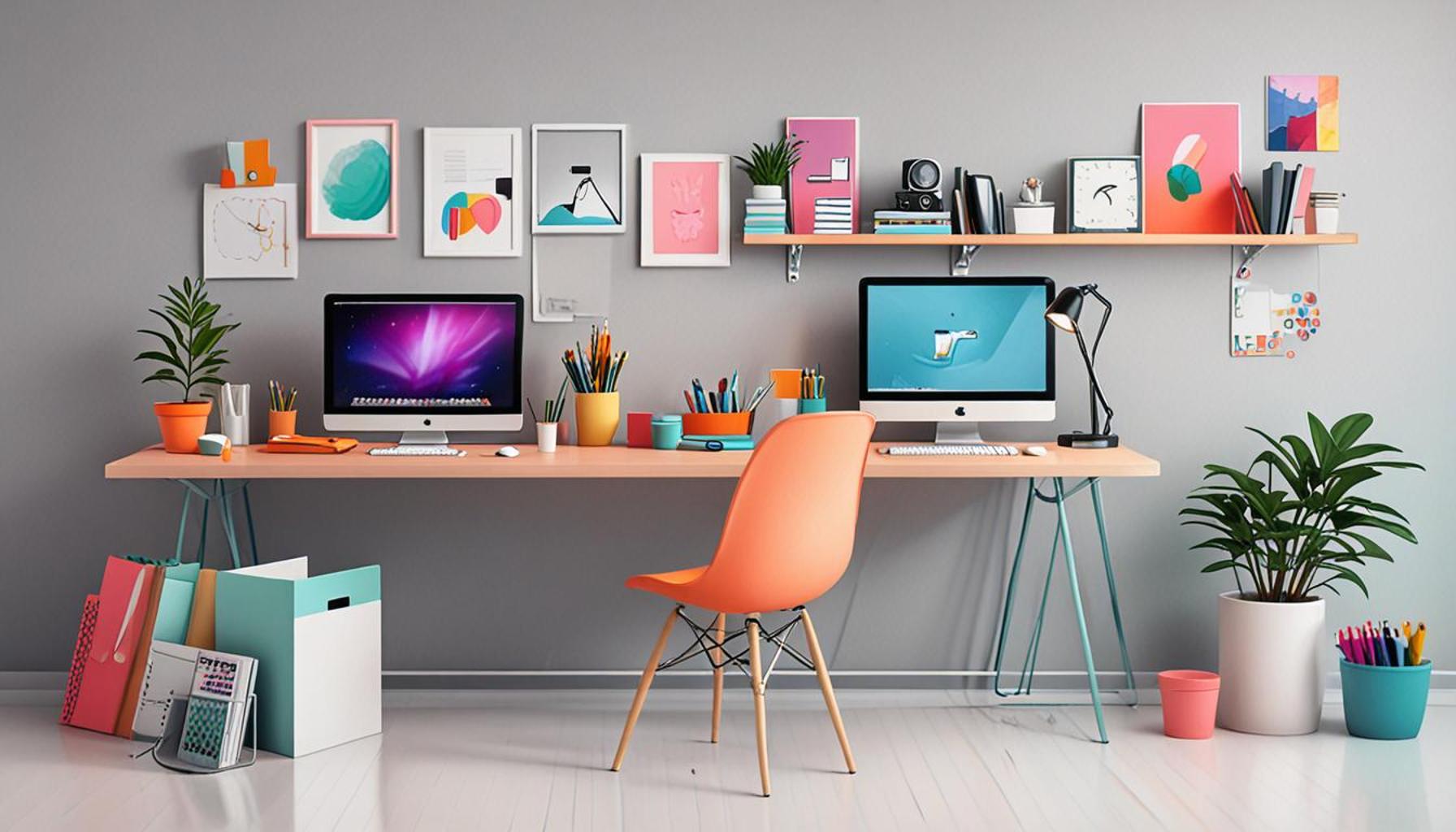
4. Create a Zen Workspace
Our workspaces significantly influence our mental states. A calm, minimalist environment can increase productivity and foster positivity. Start with your desk: streamline this space by keeping only essential tools and objects that inspire creativity and focus.
Consider integrating natural elements into your workspace:
- Plants: Introducing greenery can improve air quality and create a soothing atmosphere. Studies suggest that plants can reduce stress and boost mood.
- Natural light: Optimize natural light exposure to enhance energy levels and mood. Position your desk near a window if possible.
- Simplistic decor: Choose artwork or objects that hold personal significance. These items should spark joy and serve as motivation throughout your day.
A clean, organized workspace not only enhances efficiency but also creates a tranquil atmosphere, allowing mental focus and positivity to thrive.
3. Implement a Daily Positivity Ritual
Establishing daily rituals focused on positivity can drastically improve your mindset and overall outlook on life. These rituals should incorporate organization of both physical spaces and mental landscapes.
Consider incorporating the following activities:
- Meditation: Start each day with a few minutes of mindfulness meditation. This practice can help center your thoughts and reduce anxiety.
- Gratitude journaling: Take time each day to write down three things you’re thankful for. This practice has been shown to enhance happiness and contentment.
- Set daily intentions: Define clear, positive outcomes you aim to achieve daily. This can help steer your actions and maintain focus throughout the day.
By incorporating these habits into your daily routine, you not only organize your day but also cultivate an optimistic mindset. In turn, this promotes a positive internal dialogue and enhances your overall well-being.
2. Use the “One In-One Out” Rule
Introducing new items into your life can inadvertently create clutter and disrupt mental balance. Applying the “One In-One Out” rule helps maintain equilibrium by ensuring that for every new item brought in, an old one is removed.
This approach encourages conscious purchasing decisions, urging you to consider the role of each item in your life. It also allows you to appreciate your belongings more deeply, fostering gratitude for what you have.
Performing this practice not only simplifies living spaces but also boosts a sense of accomplishment. This, in turn, cultivates an optimistic outlook by focusing on quality over quantity.
1. Foster Connection Through Minimalist Communication
At the heart of minimalism lies the clarity it provides not only to physical possessions but also to interactions and relationships. Cultivating meaningful connections requires intentionality and purpose. By prioritizing authentic interactions, you can enhance your communication style and strengthen relationships.
Consider these strategies to enhance your communicative approach:
- Be present: Engage fully and attentively in conversations, setting aside distractions such as phones or background noise.
- Listen actively: Show genuine interest in others’ words. This not only builds rapport but also enriches the quality of exchanges.
- Share your thoughts: Openly express your feelings and experiences. Authentic sharing helps build trust and understanding.
Fostering such profound connections can lead to creating a supportive community that uplifts you. This network of enriched relationships can greatly enhance emotional resilience and an optimistic outlook on life.
In conclusion, the art of organizing with positivity revolves around creating a balanced life through intentional minimalistic strategies. Each step invites you to align your external environment with your internal state, promoting a clearer mind and a more optimistic approach to daily challenges. By embracing these practices, you open pathways to personal growth and a more meaningful, joyful existence.
To delve deeper into the theme “A Arte de Organizar com Positividade: Estratégias Minimalistas para Fomentar um Estado Mental Otimista,” we explore key strategies that facilitate a positive mindset through minimalism. This section will highlight the practical benefits of adopting a minimalist approach in everyday life and its relationship to mental well-being.
| Category | Description |
|---|---|
| Mental Clarity | Minimalism encourages a decluttered space, leading to enhanced focus and reduced anxiety. A clean environment simplifies decision-making. |
| Emotional Well-being | By removing excess belongings, individuals can detach from emotional baggage, allowing for personal growth and emotional healing. |
| Time Management | Fewer distractions mean more time for meaningful activities. Embracing minimalism can enhance productivity and satisfaction in daily tasks. |
| Sustainable Living | Adopting a minimalist lifestyle often leads to environmentally-friendly choices, contributing to a sense of purpose and harmony with the world. |
In practice, individuals can begin their journey to minimalism by assessing their living spaces and identifying items that no longer serve them. This process not only provides physical space but also cultivates a mindset focused on gratitude and appreciation for what remains. As they engage in this practice, many find themselves drawn toward intentional living, where every possession carries meaning and contributes positively to their everyday experiences.Furthermore, integrating minimalist strategies into one’s routine may involve digital decluttering—organizing emails, reducing screen time, or simplifying social media presence. These actions play a crucial role in maintaining a positive state of mind, as they reduce information overload, allowing individuals to connect with what truly matters in their lives.Exploring mindfulness techniques in conjunction with minimalism can enhance the sense of calm, promoting an optimistic outlook. Techniques such as meditation or journaling can serve as daily rituals, helping individuals reflect on their progress, embrace simplicity, and foster an environment ripe for positivity.By embracing minimalism, one not only organizes their physical surroundings but also cultivates a state of mind conducive to growth, tranquility, and optimism.
Frequently Asked Questions: The Art of Organizing with Positivity
What are the key principles of minimalist organization for fostering a positive mindset?
The core principles of minimalist organization revolve around simplicity, purpose, and functionality. By removing unnecessary items, you create a more peaceful and efficient living space. Minimalism encourages focusing on what truly matters, allowing you to clear mental clutter and maintain a positive mindset. This approach isn’t about deprivation; instead, it’s about intentional living and appreciating the value of less.
How does decluttering my space impact my mental health and emotional well-being?
Decluttering can have a profound impact on mental health. A clean and organized environment reduces stress and creates a sense of control, fostering mental clarity. This can lead to enhanced creativity and focus. Moreover, letting go of physical clutter encourages emotional release, potentially relieving anxiety and promoting a sense of tranquility and balance.
Can a minimalist lifestyle lead to long-term positivity, and how?
Adopting a minimalist lifestyle can indeed lead to sustained positivity. By consistently prioritizing essentials, such as meaningful relationships and personal growth, you align your life with your core values. This alignment can foster long-term happiness as it encourages mindfulness and reduces the distractions caused by excess. Additionally, embracing minimalism can free up time and resources, allowing for more opportunities to engage in positive experiences.
How do I start organizing my space in a way that supports minimalism and positivity?
Begin with setting clear intentions for your spaces, determining their purpose, and how they should feel. Start small, tackling one room or area at a time. Remove items that do not bring joy or serve a function. Remember, it’s a journey, not a race. Regularly assess and reassess your belongings, making adjustments as needed. This ongoing process helps maintain a positive environment conducive to well-being.
What challenges might I face in maintaining a minimalist lifestyle, and how can I overcome them?
Common challenges include the emotional attachment to objects and external pressure to accumulate more. To overcome these, practice mindfulness by consciously appreciating the benefits of simplicity. Set boundaries to resist societal and marketing influences. Connect with like-minded individuals or communities for support and inspiration, and periodically revisit your motivations to reinforce your commitment to a minimalist and positive lifestyle.
Conclusion: The Intersection of Minimalism and Positivity
In exploring the art of organizing with positivity, it’s clear that minimalist strategies extend beyond merely decluttering physical spaces. They play a pivotal role in nurturing a positive mental state. By emphasizing intentionality and simplicity, minimalism empowers individuals to focus on what truly matters, leading to heightened mental clarity and emotional well-being.
Key Takeaways
- Adopting minimalist principles encourages individuals to evaluate and prioritize their possessions, stripping away the non-essential to reveal what is truly valuable.
- Organizing with purpose not only enhances the physical environment but also cultivates a sense of control and order, which is instrumental in reducing anxiety and stress.
- Emphasizing quality over quantity aligns with fostering a positive mindset, as it promotes satisfaction and gratitude for the things one owns and the experiences one engages in.
- The link between a well-organized space and mental well-being is increasingly supported by research, underscoring the psychological benefits of minimalism.
- Finally, adopting these strategies encourages a broader life philosophy that extends into relationships, work, and personal goals, creating a ripple effect of positivity.
At its core, the fusion of minimalism and positivity emphasizes intentional living. It’s not simply a matter of purging belongings but cultivating a lifestyle and mindset that embraces simplicity and optimism. As more individuals seek ways to mitigate the pressures of modern life, these minimalistic strategies offer a compelling path toward sustained mental health and happiness. The challenge, and opportunity, lies in maintaining these principles consistently to create resilient, positive environments that nurture and inspire.