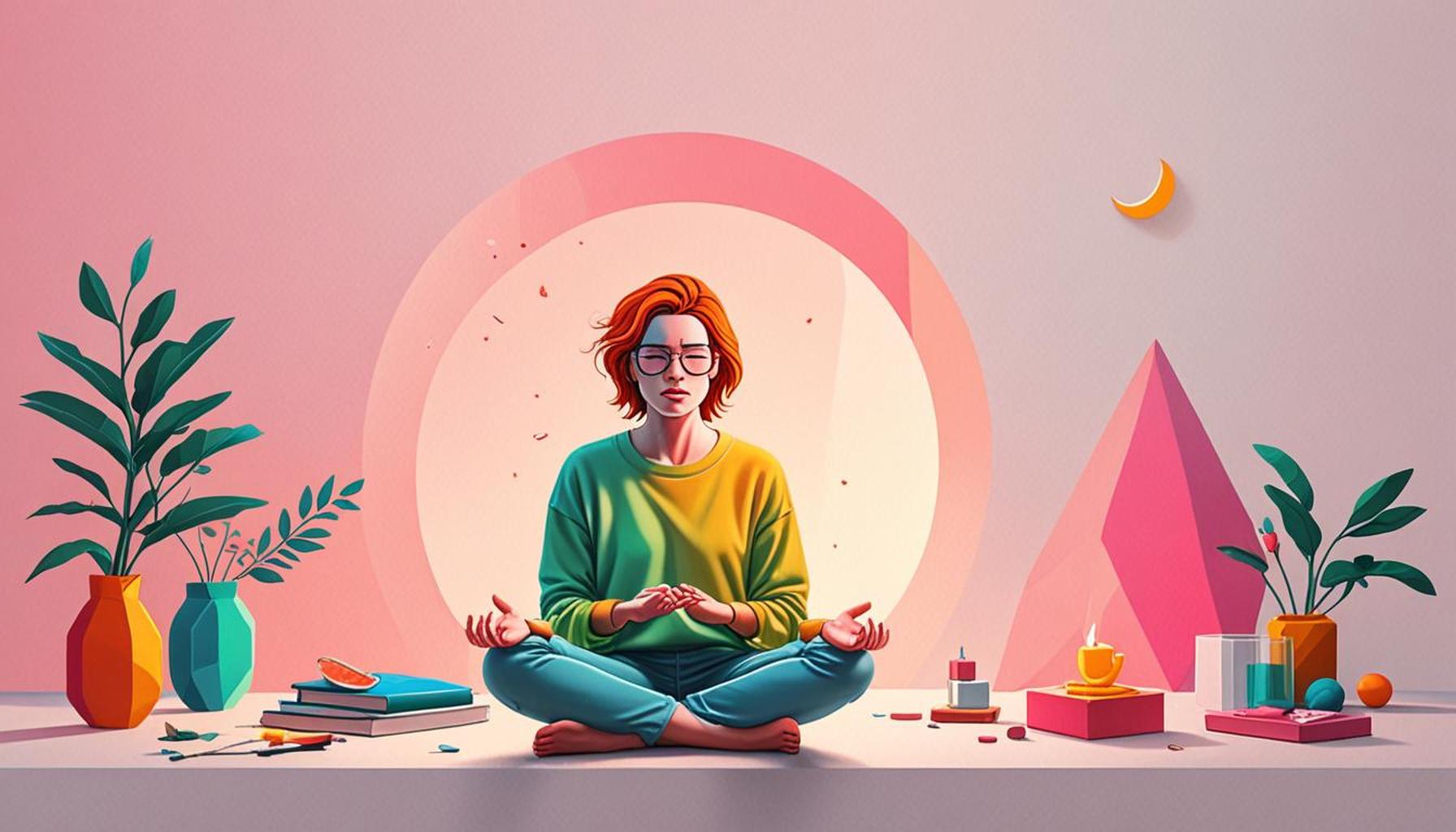
The Art of Letting Go Minimalism Boosts Personal Empowerment

In a world overwhelmed by consumerism and relentless distractions, the concept of minimalism offers a refreshing perspective on how we live and interact with our surroundings. This philosophy champions the idea that by simplifying our lives, we not only create a harmonious environment but also pave the way for personal empowerment. As individuals embrace the art of letting go, they often unlock a newfound sense of clarity and purpose.
Understanding the transformational effects of minimalism can lead to significant changes in various aspects of life, including emotional well-being, productivity, and relationships. To navigate this journey effectively, it’s essential to recognize the tangible benefits it offers:
- Enhanced focus on what truly matters
- Reduction of stress associated with clutter
- Empowerment through decision-making about possessions
- Increased financial freedom by prioritizing experiences over things
- Improvement of mental clarity and emotional resilience
In the following sections, we will explore the “Top 5” ways in which minimalism fosters personal empowerment, guiding you towards a lifestyle that reflects your values and aspirations. Prepare to embark on a journey that promises to inspire and transform your outlook on life.
Top 5: The Art of Letting Go – How Minimalism Fuels Personal Empowerment
In a fast-paced world overwhelmed by choice and material possessions, the art of letting go has emerged as a crucial practice for those seeking a more meaningful existence. Minimalism, a movement that advocates for simplicity and intentional living, provides a pathway to personal empowerment. This article delves into five fundamental ways minimalism revitalizes our ability to declutter not just our homes, but our minds and lives, ultimately steering us toward greater fulfillment.
5. Enhanced Focus on What Matters
Minimalism invites us to simplify our environments and routines, leading to a clearer focus on what truly matters. By reducing distractions such as excessive items, overcommitted schedules, or even unhealthy relationships, we can prioritize our essential values and desires. This deliberate refocus fosters productivity and a sense of purpose, enhancing our ability to engage deeply in meaningful activities.

Consider the implications of a simplified schedule with fewer meetings and obligations. This newfound freedom encourages personal reflection and self-discovery. People who practice minimalism often report an increased connection to their authentic selves and a stronger drive toward their true passions. As research from the Journal of Personality and Social Psychology highlights, individuals who prioritize meaningful goals over superficial ones experience greater well-being and life satisfaction.
4. Increased Financial Freedom
Adopting a minimalist lifestyle can significantly impact one’s financial situation. By distinguishing between needs and wants and resisting the relentless pressure of consumerism, individuals can refine their spending habits and achieve greater financial stability. Less expenditure on unnecessary items makes room for savings to grow, contributing to long-term financial health.
With this financial discipline, the opportunity arises to invest in areas that promote personal growth, such as education or enriching experiences. Instead of accumulating possessions, the shift moves toward appreciating what truly adds value. This transition not only enhances financial well-being but also reinforces a mindset of appreciation, resulting in both economic comfort and emotional contentment.
3. Reduced Stress and Anxiety
Minimalism’s advocacy for a decluttered life leads to reduced stress and anxiety—a vital benefit in today’s high-pressure society. As we face an avalanche of possessions, commitments, and information, the act of simplifying provides a protective buffer for our mental health.
Research from the National Institute of Health has demonstrated that a cluttered environment can trigger stress responses. By eliminating physical clutter, we make mental space for clarity and tranquility. This newfound mental environment facilitates easier practice of mindfulness, simplifies decision-making, and strengthens emotional resilience as burdens are lifted away.
- Practicing mindfulness becomes more accessible.
- Decision-making feels less overwhelming.
- Emotional resilience is enhanced as stressors are removed.
Ultimately, minimalism engenders a sense of calm and control, offering a powerful antidote to the complexities of modern living.
2. Cultivation of Self-Discipline
Embracing minimalism necessitates a strong level of self-discipline. The process of deciding what to keep and what to relinquish sharpens decision-making skills and fortifies one’s capacity to resist temptations and distractions.
Self-regulation, honed through minimalism, extends beyond the material realm and influences other aspects of life. From cultivating healthier eating habits to improving time management, this discipline equips individuals to take charge of their lives. A cycle of increased confidence and improved self-esteem emerges, empowering individuals to trust their judgment across various domains.
1. Embracing Freedom and Authenticity
At minimalism’s core is a profound sense of freedom, extending beyond the realm of material possessions. Letting go of that which no longer serves us offers the ultimate liberation: the chance to live authentically and unapologetically. This aspect of minimalism encourages individuals to prioritize experiences and relationships over the mere acquisition of goods.
Such a journey facilitates deep self-discovery and personal empowerment. Free from societal norms and obligations, individuals can explore their passions and dreams without restraint. Findings from the Journal of Happiness Studies reveal that those who lead authentic lives report markedly higher levels of emotional satisfaction and fulfillment.
In conclusion, the art of letting go forms the essence of minimalism, motivating individuals to visualize lives stripped of the non-essential and imbued with purpose. From fine-tuned priorities and financial autonomy to reduced stress, enhanced self-discipline, and a celebration of freedom, minimalism emerges as a potent tool for personal empowerment. Embracing this philosophy transcends the mere elimination of items; it paves the way for self-discovery and genuine fulfillment. Take the leap into minimalism; the journey promises an empowered life worth living!
| Category | Description |
|---|---|
| Clarity of Purpose | Minimalism strips away distractions, leading individuals to discover their true goals and aspirations. By eliminating excess, one can focus on what truly matters in life. |
| Enhanced Creativity | With fewer possessions and distractions, a minimalist lifestyle fosters a creative environment. This can lead to increased productivity and original ideas, allowing individuals to explore their passions. |
| Financial Freedom | Embracing minimalism often results in significant savings as individuals prioritize essential needs over wants, freeing up resources for investments or experiences that enhance life quality. |
| Emotional Resilience | Decreasing material dependency can strengthen emotional health. As individuals learn to detach from possessions, they cultivate a sense of self-worth that is less reliant on external validation, fostering a profound inner strength. |
Minimalism not only helps in achieving physical decluttering but also promotes a mental and emotional cleanse. Embracing a minimalist lifestyle encourages individuals to explore their thoughts, values, and beliefs more profoundly. With disarray diminished, clear mental pathways open, facilitating growth and self-discovery. This newfound simplicity leads many to find joy in the little things, such as relationships and experiences that enrich lives, rather than material items that often weigh them down.Moreover, the minimalist approach advocates for mindfulness, urging individuals to be present in their daily lives. This practice of awareness contributes to stress reduction and enhances overall well-being. As people shift their focus away from accumulating possessions, they often find their priorities realigning, allowing them to invest more time in relationships, self-care, and personal development.Emphasizing quality over quantity, minimalism can enhance one’s engagement with the world. By curating a lifestyle filled with purpose, individuals cultivate an enriching personal environment that encourages authenticity, growth, and empowerment.In a society that often equates success with material accumulations, the minimalist path offers a refreshing alternative, championing the idea that true wealth lies in personal development, shared experiences, and the genuine connections we forge with others. Through this journey, one can discover that embracing less opens up a realm of possibilities, where the focus shifts from ownership to experience, leading to profound personal empowerment.
Frequently Asked Questions about Minimalism and Personal Empowerment
What is the core principle of minimalism in personal empowerment?
The core principle of minimalism in personal empowerment revolves around the idea of intentionally living with less in order to make space for what truly matters. It involves prioritizing personal values over the accumulation of material possessions. By embracing minimalism, individuals often find that they can focus better on their goals and personal growth, leading to a heightened sense of empowerment and clarity in their lives.
How does decluttering your environment influence your mental state?
Decluttering your environment can have a profound impact on your mental state. Research indicates that physical clutter overloads our senses, making them work overtime, which can lead to increased stress and anxiety. By reducing clutter, you create a more peaceful and organized living space, which in turn can lead to lower stress levels and a clearer mind. People often report feeling a sense of liberation and mental clarity after decluttering their surroundings, which is pivotal in personal empowerment.
Can minimalism impact other areas of life, such as finances and relationships?
Yes, minimalism can extend its influence into various areas of life, including finances and relationships. Financially, adopting a minimalist lifestyle often leads to more conscious spending, as individuals focus on necessities and experiences rather than accumulating more stuff. This shift can result in significant savings and financial stability, enhancing one’s sense of security. In terms of relationships, minimalism encourages meaningful connections by emphasizing quality over quantity, which can enrich social interactions and emotional well-being.
Is there any scientific backing to the benefits of minimalism?
Several studies and psychological theories support the benefits of minimalism, particularly in terms of reducing stress and increasing life satisfaction. The practice aligns with psychological concepts such as mindfulness and cognitive behavioral techniques, which focus on being present and making thoughtful choices. This approach can also cultivate a more intentional life, where people prioritize mental health, happiness, and personal values over materialistic pursuits. Such findings often highlight the psychological and emotional advantages associated with minimalist living.
Conclusion
The journey into minimalism is more than just an organizational trend; it is a significant shift in perspective that promotes personal empowerment through the art of letting go. At its core, minimalism teaches us that our possessions do not define our identity. By choosing to part with excess, we not only declutter our physical spaces but also clear our mental and emotional landscapes.
Throughout this exploration, we have discovered five key insights that illuminate how minimalism fosters empowerment: simplifying possessions leads to clarity, encourages introspection, reduces stress, enhances mindfulness, and ultimately nurtures a more intentional lifestyle. These principles echo the core belief that when we reduce the noise in our lives, we make room for what truly matters.
Minimalism challenges conventional consumerism, allowing individuals to reclaim autonomy over their decisions. By focusing on what is genuinely valuable, people are motivated to prioritize experiences and relationships over material goods. This shift not only empowers on a personal level but also fosters a deeper connection to the community and environment.
Adopting a minimalist lifestyle is an invitation to a deeper self-awareness and resilience. It is about understanding the essence of what we genuinely need to thrive, and utilizing that understanding to build a more fulfilling life. As individuals embrace this practice, they often find themselves not only less burdened by material possessions but also more in tune with their true selves and aspirations.
In conclusion, minimalism is much more than cutting down on belongings; it is a transformative approach to personal organization and an empowering tool for personal growth. By mastering the art of letting go, we open the door to a future filled with freedom, clarity, and intentional living.