The importance of minimalist personal space in promoting creativity and self-expression
Creating a Serene Environment for Enhanced Creativity
In an era characterized by constant busyness and an overload of information, the idea of a minimalist personal space has emerged as a retreat for many seeking clarity and inspiration. By stripping away excess and embracing simplicity, individuals can cultivate environments that not only encourage creativity but also promote a deeper sense of self-expression.
Why is it important to establish a minimalist atmosphere? Here are several key advantages:
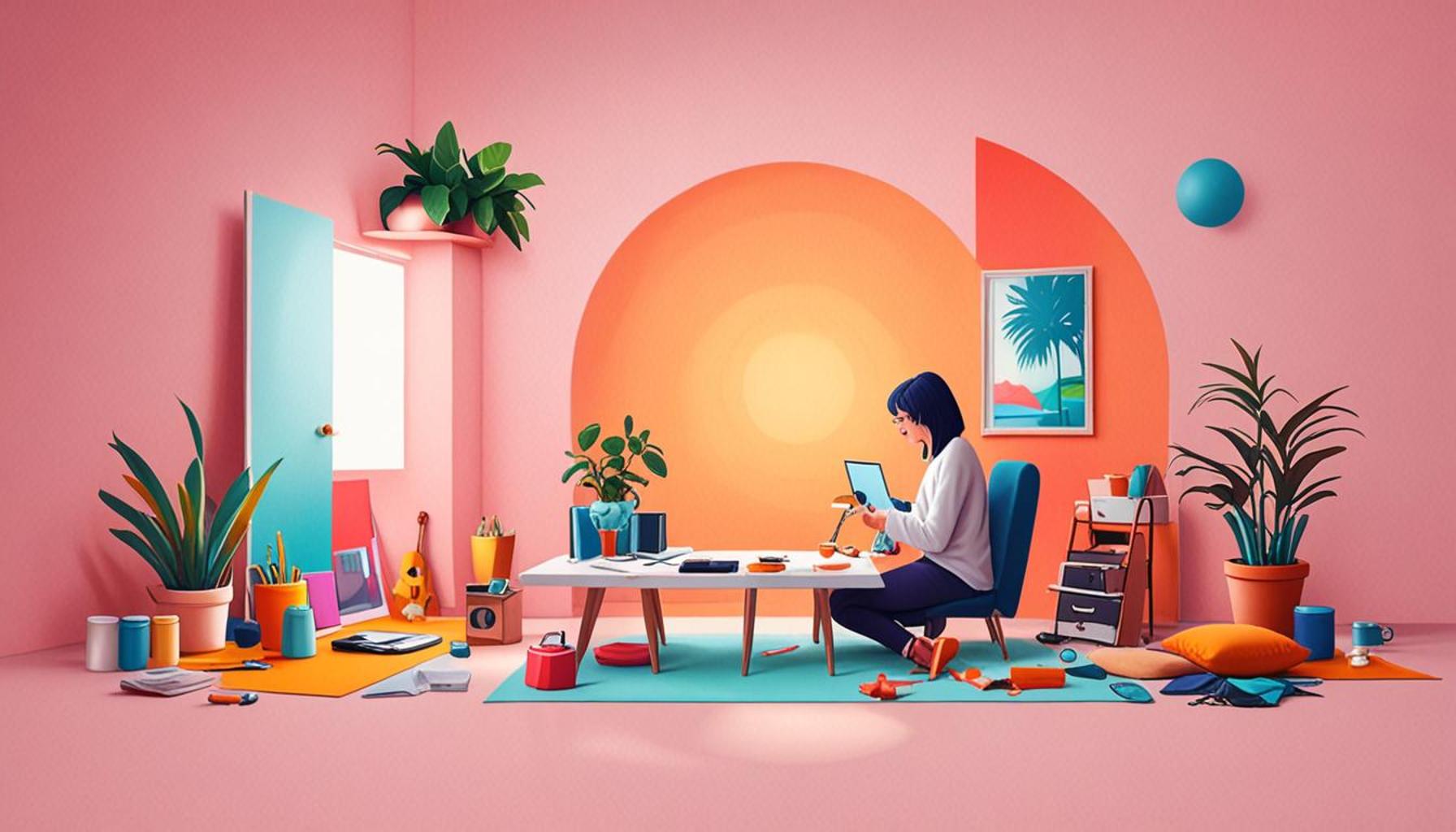
- Reduces distractions: A clutter-free space minimizes visual noise, allowing creativity to flow more freely. For instance, artists can better immerse themselves in their work when surrounded by only the materials they need, rather than a sprawling collection of unrelated items.
- Boosts mental clarity: A simplified environment allows the brain to function more efficiently. Research suggests that individuals working in clean, minimalist spaces report higher rates of innovation and problem-solving capabilities, revealing the clear connection between environment and cognitive function.
- Encourages intentionality: In a minimalist setting, every item serves a clear purpose. This intentionality fosters meaningful engagement with one’s surroundings and can inspire individuals to curate their spaces to reflect personal values and aspirations.
Various studies have shown that the ambiance of one’s environment significantly influences thought patterns and behaviors. For example, a decluttered workspace can evoke calmness, promoting mental states conducive to creativity. When one is relaxed, there is a greater likelihood of accessing one’s imagination, thus enhancing artistic or innovative endeavors.
Embracing self-expression within a minimalist framework can take many forms:
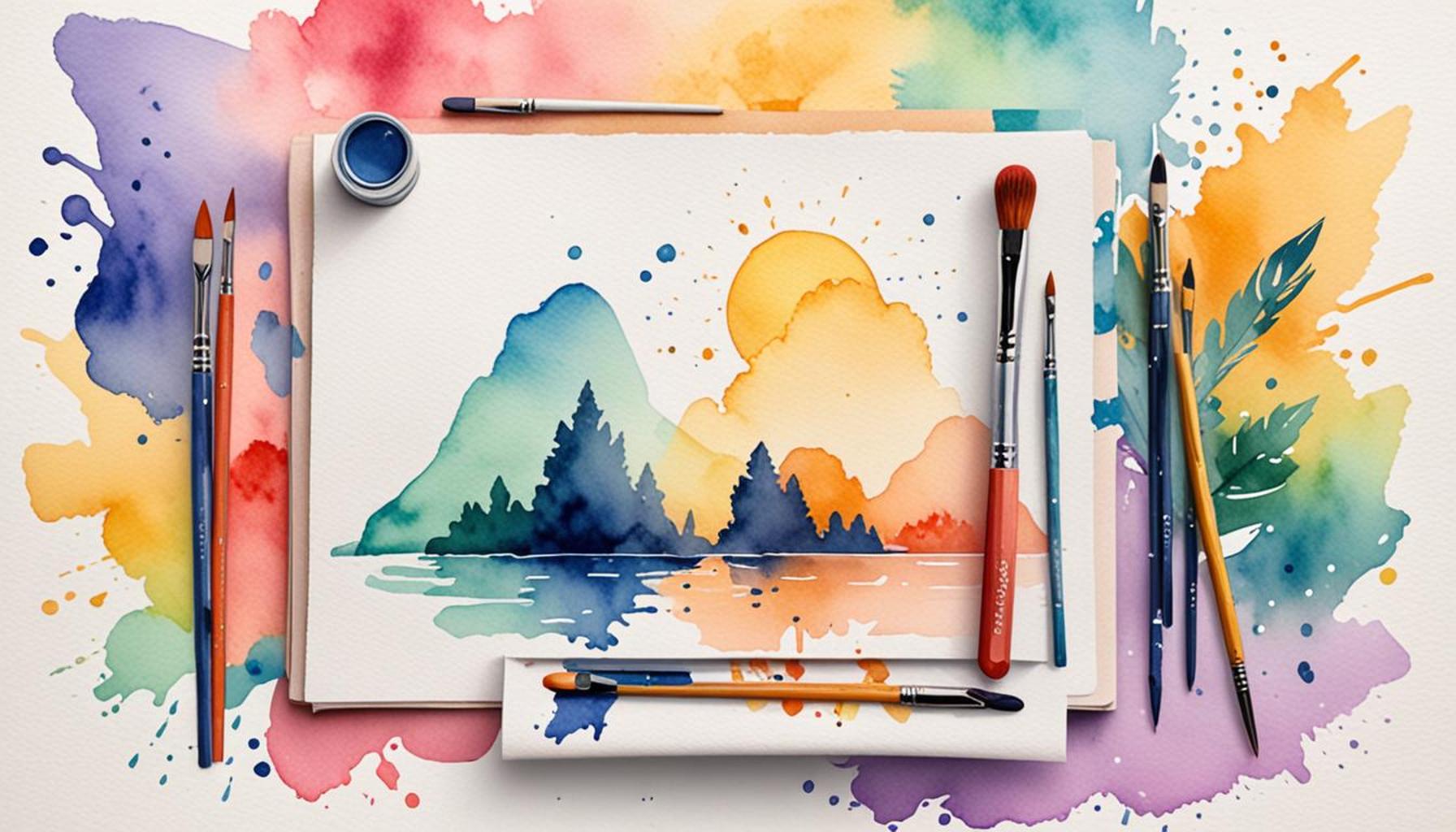
- Artistic pursuits: Whether it’s painting a canvas or crafting intricate designs, minimalism encourages creators to focus on the essence of their work rather than being overwhelmed by choices.
- Personal décor: Items chosen for display in minimalist spaces often carry personal significance. This not only reflects the individual’s identity but can also serve as inspiration, reminding them of their passions and goals.
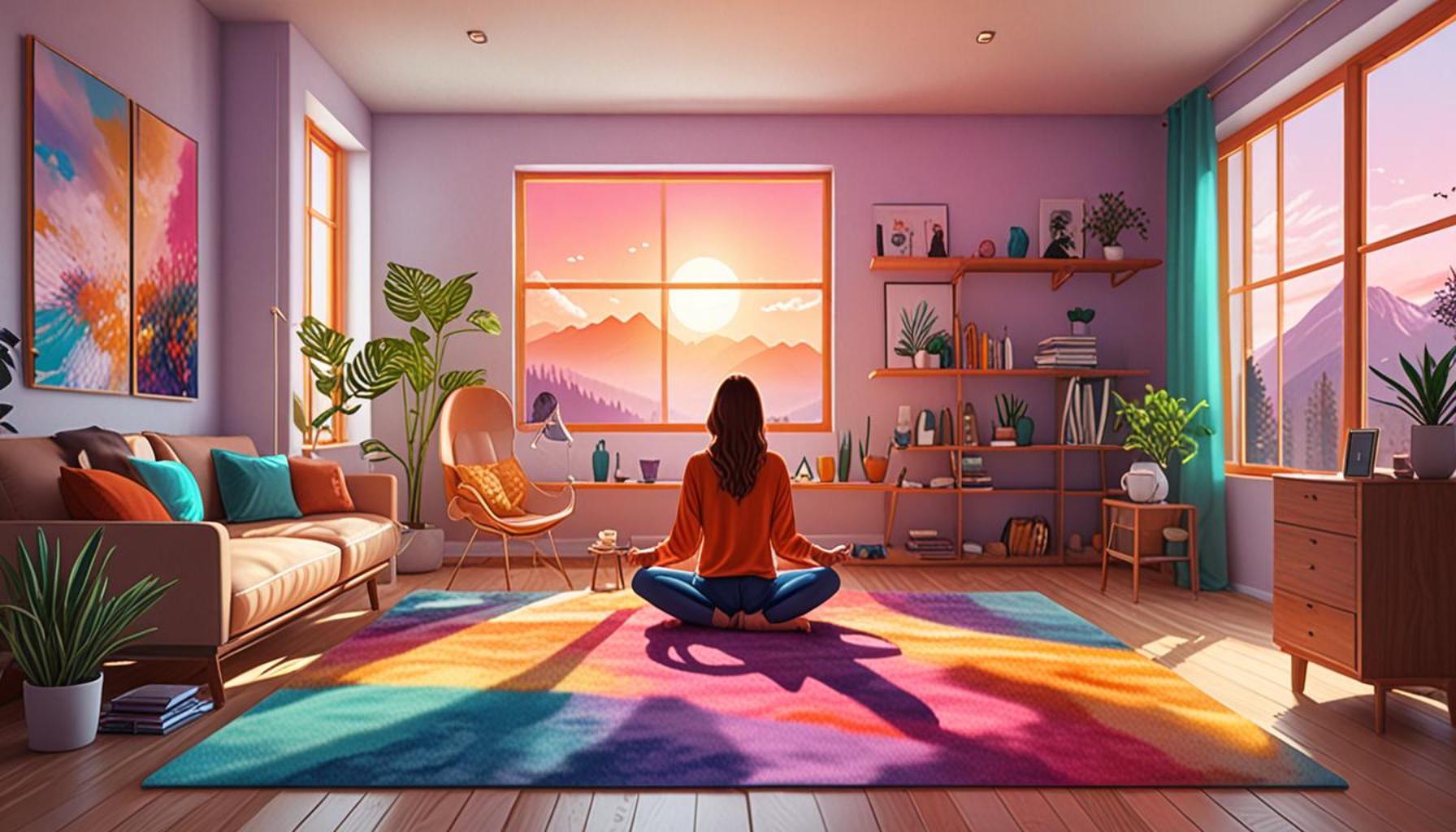
- Mindfulness practices: Incorporating rituals such as meditation or journaling within a minimalist space helps ground thoughts and emotions, promoting a more profound connection to one’s creative endeavors.
As we explore this fascinating relationship between minimalism and creativity, it becomes increasingly evident that transforming our physical spaces can lead to profound changes in how we think and create. With intentional choices, individuals can build environments that not only uplift their spirits but also ignite their imagination, proving that less truly can be more when it comes to self-expression and creativity.
DISCOVER MORE: Click here for uplifting minimalist strategies
Unlocking Potential Through Simplification
At its core, minimalism is about making conscious choices—selecting only the items that resonate with one’s identity and purpose. This intentional practice fosters a unique relationship between the individual and their environment, which plays a pivotal role in unleashing creativity. It’s not just about having fewer possessions; it’s about having the right possessions. In fact, a study published in the journal Psychological Science supports the notion that a simplified environment can lead to greater innovation by optimizing cognitive processing, allowing ideas to emerge without the shackles of clutter.
To fully appreciate the correlation between minimalist spaces and creativity, it is essential to understand several fundamental aspects:
- The Influence of Space on Mood: The physical environment significantly impacts our emotional well-being and cognitive function. Spaces that are clean and organized can induce feelings of calmness and serenity, providing fertile ground for creative thoughts. Consider a writer whose desk is adorned merely with their laptop, a notepad, and a few essential books; this setting may inspire focus and productivity as distractions are minimized.
- Enhanced Focus on the Task at Hand: Creativity often requires deep concentration, which is hindered by visual stimuli that pull our attention in various directions. An unblemished and monochromatic workspace promotes a singular focus. For those engaged in creative endeavors like graphic design or music production, this means their ideas can flow without interruption, yielding more innovative outputs.
- The Role of Personal Significance: In minimalist spaces, each item often carries specific emotional or motivational weight. An artist’s preferred color palette, a musician’s cherished instrument, or written reminders of personal goals can fortify the connection between one’s environment and self-expression. This curated atmosphere not only reinforces individual values but may also catalyze fresh inspiration.
Moreover, the shift towards minimalism encourages individuals to rethink their relationship with material possessions. In a world where consumerism often dictates personal identity, choosing simplicity can empower creators to prioritize self-expression. A minimalist personal space acts as a canvas where one’s true self can be displayed—free from the constraints of societal expectations. For instance, a photographer might opt to create a minimalist editing suite that includes only necessary tools and preferred prints, which amplifies their photographic vision without distractions.
Creating and maintaining a minimalist personal space doesn’t need to be a daunting task; it can be a deliberate and enjoyable journey. Engaging in regular decluttering rituals, questioning the necessity of items, and allowing oneself to let go of the superfluous fosters a clearer mindset. This process can lead to remarkable outcomes, including a reinvigorated creative practice and a more profound sense of identity.
By adopting minimalism, individuals can not only enhance their creative capacities but also truly honor who they are, paving the way for authentic self-expression.
| Category | Details |
|---|---|
| Reduced Clutter | A minimalist personal space emphasizes simplicity, allowing for a clear mind and streamlined thoughts. This clarity fosters enhanced creativity. |
| Increased Focus | By eliminating distractions, a minimalist setup helps individuals channel their energy into self-expression, leading to more genuine and effective creative output. |
The aesthetic of a minimalist space not only promotes creativity but also plays a significant role in self-expression. Spaces that eliminate excess foster an environment ripe for innovation, where ideas can flow freely without the hindrances of visual noise. The importance of a design that highlights functionality cannot be underestimated, as each element serves a purpose, contributing to a cohesive atmosphere.Moreover, the impact of color in minimalist architecture and interior decor should be recognized. Soft color palettes encourage calmness and comfort, allowing individuals to tap into their personal preferences without feeling overwhelmed. The integration of natural elements, such as plants, also invites inspiration and maintains a connection to the outside world, which is essential for creative thinking.Ultimately, embracing a minimalist personal space is not merely a trend but an ethos that encourages individuals to curate their environments thoughtfully, promoting continuous self-discovery and ingenuity.
DISCOVER: Click here to boost your self-confidence with minimalism
Transforming Receptivity to Inspiration
The minimalist philosophy extends beyond the physical arrangement of space; it profoundly influences mindset and receptivity to inspiration. When creators strip away the distractions and clutter in their personal environments, they open themselves up to new possibilities and perspectives. A decluttered environment enables a clearer path for cognitive flow, allowing the mind to wander freely and explore uncharted territories in thought and creativity.
Furthermore, research has shown that a clean and organized workspace can significantly reduce stress levels. According to a study conducted by the Princeton University Neuroscience Institute, clutter can compete for your attention, leading to decreased performance and increased anxiety. By recognizing this connection, individuals can prioritize creating a serene workspace that not only improves productivity but also nurtures mental clarity essential for creative pursuits.
Additionally, the idea of curated personal space plays a vital role in self-expression. Curating doesn’t mean stripping away personality; instead, it’s about reveling in personal taste. Every object within a minimalist space can narrate a part of the creator’s story. For instance, an aspiring novelist might choose to showcase their favorite literary classics on a single shelf, rather than allowing books to overflow into every corner. This selection not only celebrates their passion but also establishes a tangible connection to their journey as a writer. Such personal touches encourage creative exploration, reminding individuals of their purpose and inspirations each time they engage with their environment.
Moreover, there’s a powerful emotional component linked to the practice of minimalism. A study from the University of California, Los Angeles, highlights how emotional wellness can be significantly enhanced in environments that promote minimalism. This emotional lightness fosters an atmosphere where creators feel comfortable to explore new ideas and experiment without fear of judgment. A musician, free from the weight of excessive instruments or equipment, can be more inclined to innovate with the few select tools that resonate with their artistic voice.
In the ever-competitive landscape of creativity, breaking from traditional norms often necessitates a space that’s equally unorthodox. Collectively embracing a minimalist personal space can foster an environment ripe for cutting-edge ideas and self-expression. Consider the sleek, decluttered offices of leading tech companies such as Apple and Google, where open and minimal configurations encourage fluid collaboration and out-of-the-box thinking. These spaces serve as prime examples of how minimalist philosophies can translate into robust creativity and innovation.
Lastly, embracing minimalism is also an act of sustainability. By prioritizing quality over quantity, individuals empower themselves to invest in fewer, but more meaningful, items that support their creative practices. This return to conscious consumerism can encourage creators to seek out locally made supplies or timeless tools, which might resonate more deeply with their artistic expression. Ultimately, this commitment not only enhances creative output but also aligns with the broader societal movement toward environmental responsibility.
DISCOVER MORE: Click here to learn about the power of minimalism
Embracing Minimalism for Enhanced Creativity
In summary, the significance of a minimalist personal space transcends mere aesthetics; it is a powerful catalyst for enhancing creativity and fostering self-expression. By cultivating an environment free of distractions, individuals can unlock their cognitive potential, paving the way for innovative thoughts and original ideas. As we have explored, the interplay between a clean workspace and reduced stress levels creates a fertile ground for inspiration, encouraging creators to engage more deeply with their passions.
The concept of curation in minimalism is vital in allowing individuals to showcase their identities through intentional choices, generating a meaningful connection to their work. As illustrated by successful companies, these principles can drive collaboration and creativity by creating environments that are as much about functionality as they are about personal narrative. This approach not only reverberates within personal practices but contributes to a larger trend not only in workplace environments but also in how we view consumption and art.
Finally, the emotional benefits of embracing minimalism cannot be overstated. This philosophy equips creators with the courage needed to experiment and explore bold ideas without the weight of excess. By investing in quality over quantity, creators can cultivate a richer emotional landscape that resonates with their authentic selves. As society moves toward sustainability, reimagining our personal spaces in minimalist terms offers a path forward that aligns creativity with responsibility.
As you consider the impact of your own personal space, reflect on how minimalism might serve as a foundation for unleashing your creative voice and articulating your unique story in a world teeming with distractions.