
Transforming Physical Spaces: How Minimalist Organization Can Create an Environment That Fosters Self-Confidence
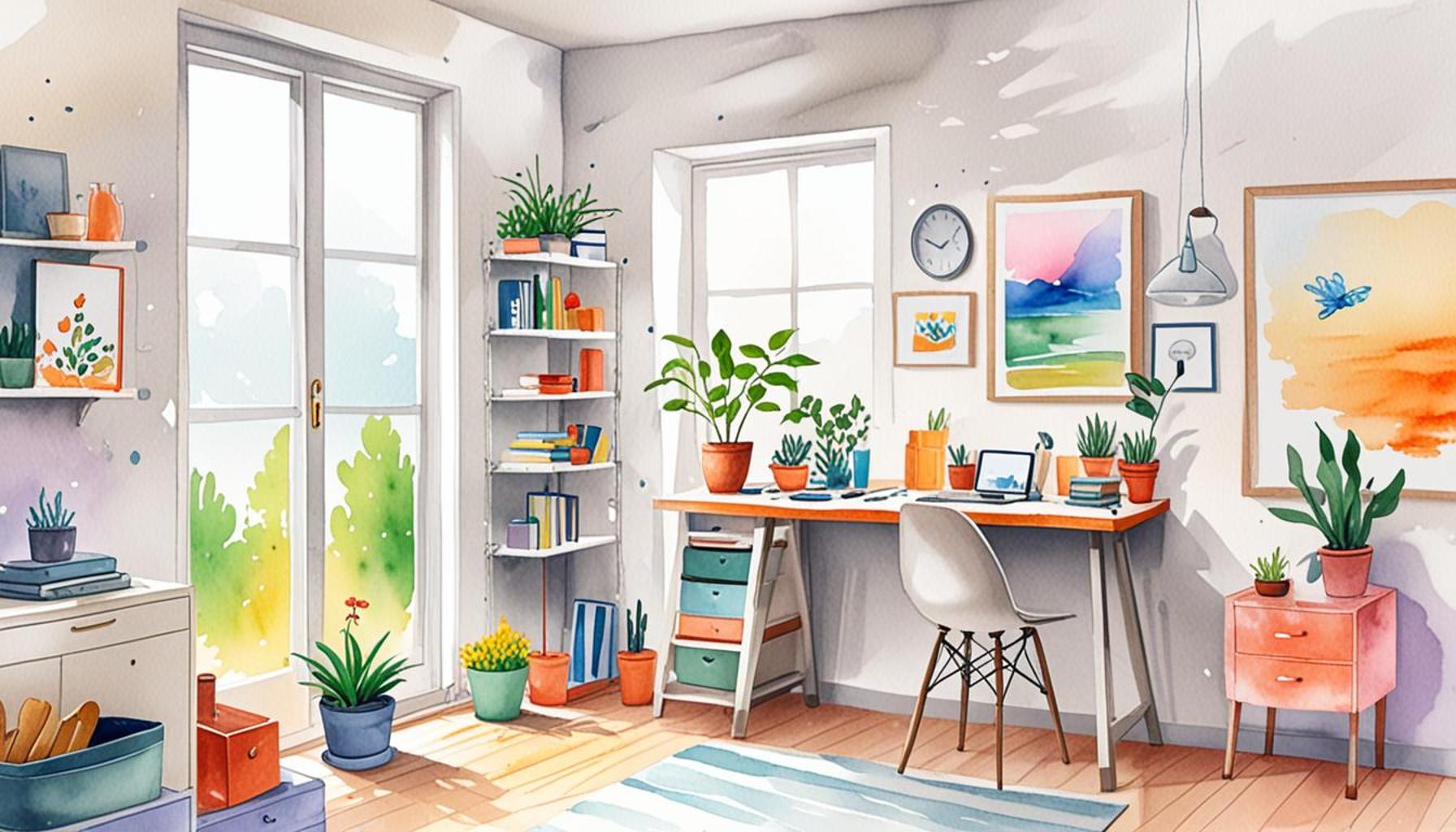
The Pursuit of Clarity through Minimalism
In a world characterized by constant stimulation and an overwhelming flow of information, the environments we occupy play an essential role in influencing our mental state. A cluttered space can often lead to a cluttered mind, which in turn hampers self-confidence and overall well-being. By adopting a practice of minimalist organization, we not only revitalize our physical surroundings, but we also cultivate a deeper sense of calm and focus within ourselves.
What Minimalist Organization Brings
- Clarity: A simplified space eliminates distractions, allowing us to hone in on what truly matters. For instance, in a home office, removing unnecessary items from the desk can enhance productivity by creating a focused work zone. This sense of clarity extends beyond physical organization; it cultivates mental clarity as well.
- Peace: Minimalism promotes a serene environment, leading to reduced anxiety and stress levels. Research shows that clutter can overwhelm the brain, making us feel restless. Conversely, a minimalist approach invites tranquility and encourages mindfulness, enabling us to find joy in simplicity.
- Empowerment: Organizing one’s possessions fosters a profound sense of control. When we decide what to keep and what to let go, we reclaim our space and, in many ways, our lives. This act of decluttering can significantly enhance self-esteem, providing a sense of accomplishment and clarity.
Picture yourself entering a room where every item is intentionally placed, serving a direct purpose. This thoughtful arrangement enhances not just the aesthetics of the space but also nurtures an atmosphere conducive to increased productivity and self-assurance. In the United States, where consumerism often fosters chaos and excess, minimalist organization offers a powerful antidote to these pressures.
Explore the Benefits
- Enhanced focus and creativity can emerge from a decluttered environment, allowing ideas to flow freely without the weight of distractions.
- Improved mental clarity comes as a natural result of minimizing the visual noise that clutter creates, leading to better decision-making processes.
- A boosted mood and motivation are often experienced as organizational success translates into positive reinforcement of our capabilities.
As we dive deeper into the principles of minimalist organization, it becomes evident that transforming our physical spaces can lead to significant changes in our self-perception and levels of confidence. The journey toward minimalism is not about deprivation; rather, it’s about making conscious choices that align with our values and lifestyles. It invites us to re-evaluate our attachment to material goods, challenging the notion that happiness is tied to accumulation. Ultimately, minimalist organization fosters a deeper connection to ourselves, empowering us to lead lives driven by purpose rather than possession.
DIVE DEEPER: Click here to discover more
Embracing Minimalism: A Path to Self-Discovery
As we consider the impact of our surroundings on our inner world, it’s crucial to recognize how the concept of minimalism can serve as a transformative tool. Minimalist organization is not merely about having fewer items; it encapsulates the philosophy of intentional living. By eliminating the superfluous, we carve out space for the essential, which can profoundly impact our self-image and emotional well-being.
The Psychological Impact of Clutter
Research reveals a stark connection between cluttered environments and heightened stress levels. According to a study published in the Personality and Social Psychology Bulletin, participants reported feeling overwhelmed and anxious in cluttered spaces. This mental strain can detract from our confidence, leaving us unable to focus and make decisions effectively. In contrast, when we engage in minimalist organization, we create a sanctuary that allows for clarity of thought and action.
Establishing Boundaries: The Role of Organization
Minimalism helps establish boundaries in our physical surroundings, which translates into personal boundaries in our lives. By organizing our spaces, we learn to prioritize what truly matters and let go of distractions that do not serve our goals. This act of selection can vary from choosing practical office supplies to curating decorations that bring joy and inspiration. As we take ownership of our spaces, we reinforce our self-worth and capabilities.
Implementation Strategies
To effectively harness the benefits of minimalist organization, consider the following strategies:
- Declutter Regularly: Schedule weekly or monthly sessions dedicated to reviewing your belongings. This consistent approach reinforces the habit of keeping only what adds value to your life.
- Create Zones: Designate specific areas in your home or workplace for particular activities, such as work, relaxation, or hobbies. These zones help maintain order and clarity.
- Adopt the One-In-One-Out Rule: For every new item acquired, consider letting go of another. This keeps your space manageable and encourages mindfulness about new purchases.
- Visualize Your Ideal Space: Take time to visualize how you want your environment to look and feel. This vision can guide your organization efforts, making the process more meaningful.
Each of these strategies cultivates a sense of agency over our spaces, which is crucial for fostering self-confidence. Achieving a well-organized environment is not solely about aesthetics; it is about nurturing a mindset that values simplicity and intentionality. As we embark on this journey, we begin fostering an existence where every item has its place, and every moment holds value.
Through embracing minimalism in our physical spaces, we pave the way for a more profound engagement with ourselves and our aspirations. Minimalist organization is not just a trend; it represents an invaluable opportunity to redefine our identities in a world that often prioritizes excess over quality. In cultivating simplicity, we unlock endless possibilities for growth, creativity, and self-assurance.
Benefits of Minimalist Organization
Embracing minimalist organization not only declutters our physical surroundings but also refreshes our mental state. The influence of physical spaces on our emotional wellbeing is profound, with a well-organized environment contributing significantly to heightened self-confidence. But how does this transformation materialize? Let’s delve into two key advantages of adopting a minimalist approach.
| Organization | Impact on Self-Confidence |
|---|---|
| Space Clarity | A tidy environment reduces distractions, allowing individuals to focus on goals, enhancing their productivity and confidence. |
| Emotional Freedom | Minimalism promotes a sense of peace, which can lead to a greater sense of self-worth and the belief in one’s abilities. |
The shift towards a more minimalist lifestyle cultivates more than an aesthetically pleasing space; it fosters an empowering mindset. By clearing away the physical clutter, individuals can experience a liberation that translates into higher self-esteem. As a result, the act of organizing becomes not just a chore, but a vital step towards transforming one’s overall confidence and outlook on life.
Equally important, minimalist organization encourages mindfulness. By investing in quality items and consciously selecting what to keep, individuals tap into an appreciation for their environments, leading to greater emotional satisfaction. This aspect of self-discovery enables people to resonate with their truest values and aspirations.
DIVE DEEPER: Click here to discover the benefits of mindfulness</p
Creating an Eco-System of Support
Minimalist organization plays a pivotal role in sculpting an environment that is not only aesthetically pleasing but also conducive to personal growth. When we approach our physical spaces with intentionality, we can create what can be termed an “eco-system of support.” This is the idea that our surroundings can either uplift us or hold us back. With a streamlined environment, we naturally cultivate a mindset of productivity, focus, and ultimately, enhanced self-confidence.
The Influence of Color and Light
Consider the psychological effects of color and light in minimalist spaces. Bright and airy environments, flooded with natural light, can significantly uplift our moods. Decor expert and author, Maria Killam, points out that warm colors like yellows and soft blues can induce feelings of comfort and energy. Implementing these color elements within a minimalist organizational framework can transform a room from merely functional to extraordinarily inspirational. Similarly, maximizing natural light can remove feelings of lethargy and instill high spirits, creating a welcoming space that invites creativity and self-assertion.
The Power of Intentional Design
Minimalist spaces also promote intentional design, which has been linked to increasing focus and self-confidence. A study conducted by the Journal of Environmental Psychology indicated that well-designed, organized environments can greatly enhance cognitive performance. For instance, utilizing multifunctional furniture can help maintain order while providing essential solutions for small spaces. Additionally, a clear line of sight in a room reduces distractions and promotes mental clarity. By being deliberate in our design choices, we create an ambiance that inherently supports our goals and boosts our self-esteem.
Mindfulness and Routine Establishment
Integrating mindfulness into your organizational routine can amplify the benefits of minimalism. This practice cultivates greater awareness of your actions and intentions when interacting with your environment. Techniques such as meditation or simply taking time to appreciate the organized space can serve as reminders of your goals and aspirations. Embracing such rituals can help solidify the foundation of self-confidence that minimalist organization seeks to foster.
Community Engagement: Sharing Your Journey
Engaging with communities that value minimalism can further enhance your experience. In the United States, numerous online groups and local meet-ups are dedicated to sharing tips and inspiration. For example, platforms like Instagram or Pinterest boast countless accounts focused on minimalist lifestyles, offering insights that can fuel your journey toward clarity. By sharing your struggles and triumphs with others, you create accountability and reinforce your commitment to a minimalist lifestyle. This community aspect not only reinforces self-confidence but also connects you with like-minded individuals on a similar path of transformation.
Ongoing Evaluation and Adaptation
Minimalism is a continuous process, not a one-time event. As our lives change, so too should our spaces. Regular evaluation of our organizational strategies encourages us to adapt and evolve. This ongoing interaction with our environment keeps us attuned to our needs and reinforces the belief that we are capable of creating a life aligned with our values. By reassessing our physical spaces periodically, we affirm our agency and ability to design our lives in a manner that reflects our individuality and ambitions.
In summary, embracing minimalist organization is a powerful means of reshaping our physical spaces into nurturing environments. By harnessing the principles of design, mindfulness, community, and adaptability, we lay the groundwork for a supportive foundation that significantly nurtures self-confidence and personal growth.
DISCOVER MORE: Click here to learn how minimalism can ease emotional stress
Final Thoughts on Minimalist Organization and Self-Confidence
As we navigate the complexities of modern life, embracing minimalist organization offers a transformative avenue for enhancing self-confidence and optimizing personal spaces. By adopting a minimalist mindset, we actively shape our environments into havens that resonate with clarity, focus, and purpose. This intentional simplification not only clears physical clutter but also alleviates mental noise, fostering a sense of empowerment and productivity.
The interplay of color, light, and intentional design serves as a powerful catalyst for cultivating positive energy within our spaces. These elements work in synergy to create environments that invite creativity and self-exploration, pushing us to engage with our surroundings more mindfully. Coupling this aesthetic awareness with routine evaluation ensures that our spaces evolve with us, continually reflecting our values and aspirations.
Moreover, the communal aspect of minimalism invites us to connect with others on similar journeys, reinforcing our commitment while expanding our horizons of thought and inspiration. As we share our experiences in various communities, we not only build accountability but also establish lasting networks that encourage growth and resilience.
In conclusion, the pathway to self-confidence through minimalist organization is not merely about decluttering our physical spaces; it is about constructing a supportive ecosystem that nurtures our inner selves. As you embark on this transformative journey, remember that the spaces you inhabit can profoundly influence your confidence, creativity, and overall well-being. So, take the first step: embrace minimalism and watch how it unfolds into a more confident and fulfilled you.